Written scope
Room-by-room plan before work starts
When storm surge, a burst pipe, or a backed-up drain puts water in your home, Flood Damage Cleanup Pensacola FL starts with getting the water out and the structure dry before mold takes hold. Our crew handles flood cleanup Pensacola FL for houses, rentals, and commercial buildings across Escambia County - from Scenic Heights to downtown. We extract standing water, set drying equipment, and document everything for your insurance claim.
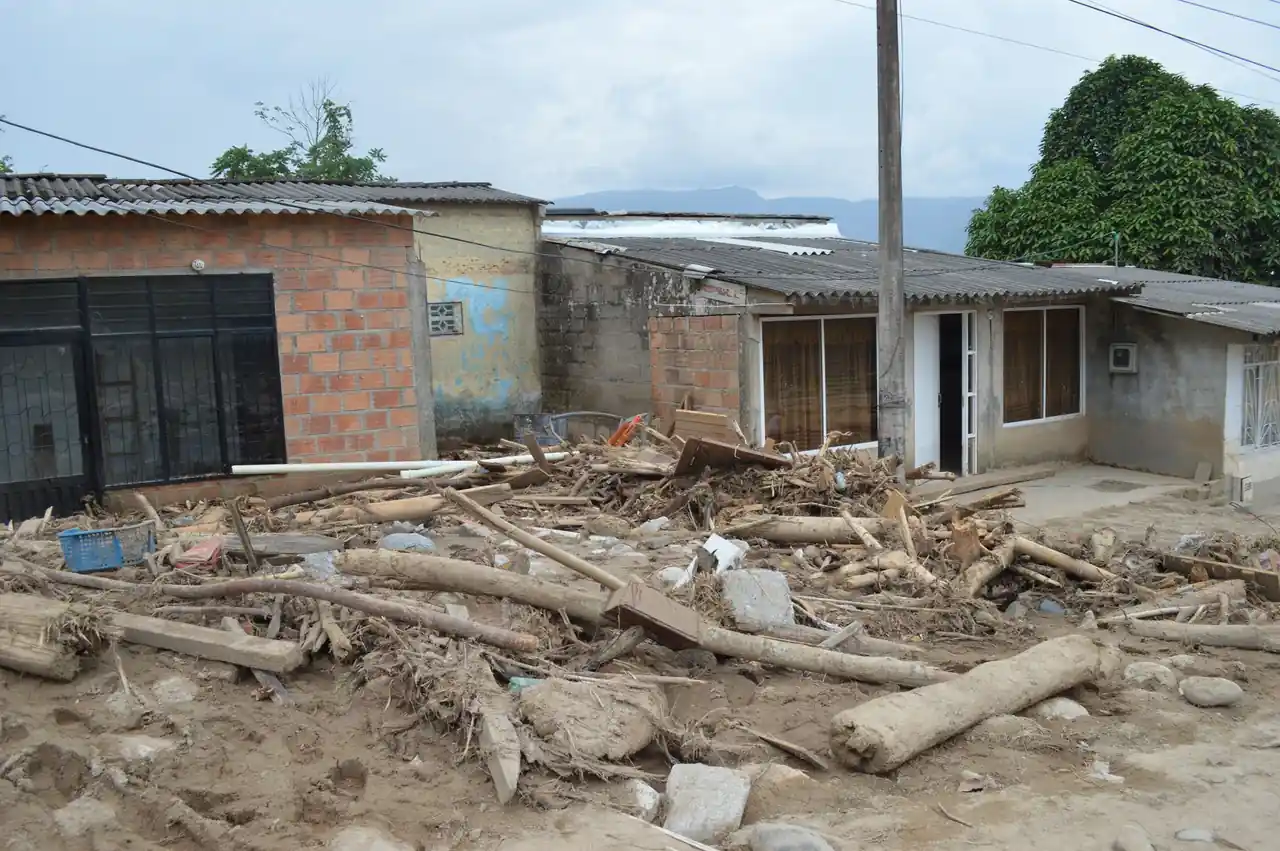
Our standard flood cleanup covers the full process from water extraction through final moisture check. Some jobs need additional work like mold remediation or reconstruction, and we will tell you upfront if that is the case.
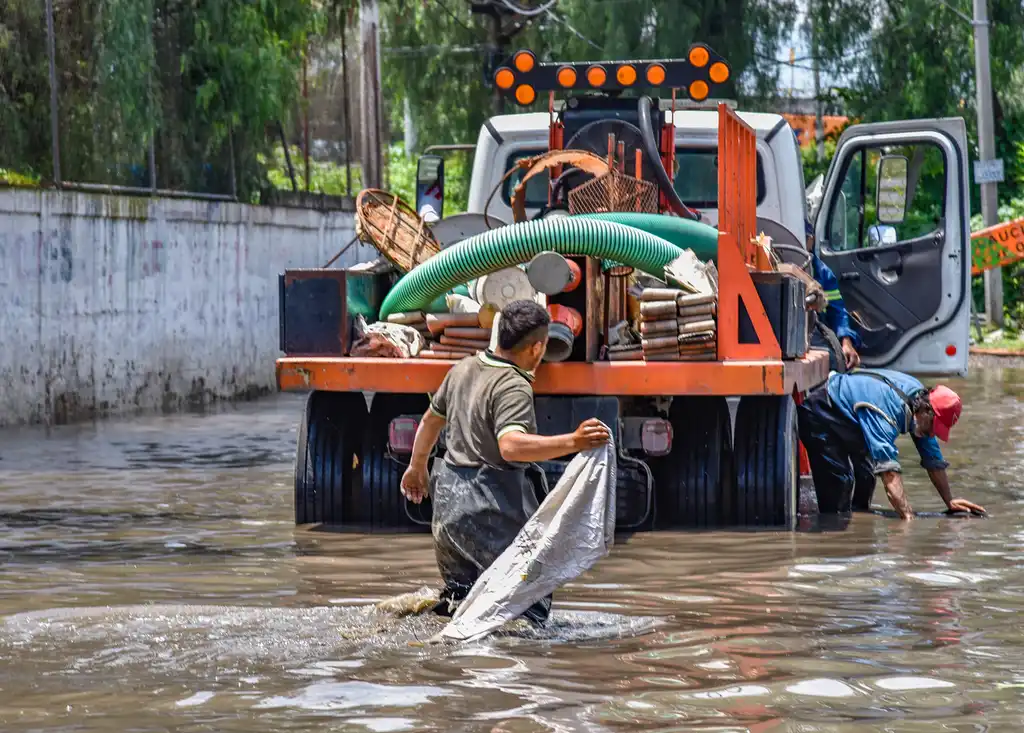
We handle flood cleanup for houses, apartments, and rentals across Pensacola. Whether it is a burst pipe or storm water, we extract, dry, and document the work.
We work with property managers, restaurant owners, and retail operators to get water out and businesses back open. We schedule around your hours and document everything for your claim.
Flood Damage Cleanup Pensacola FL is the process of removing standing water, drying the structure, and sanitizing every affected surface after a flood, storm surge, or plumbing failure. It is not just a wet-vac job. We pull water with truck-mounted extraction units, then use air movers and dehumidifiers to dry drywall, subfloor, and insulation to a measured moisture content. We check hidden cavities with a borescope camera and thermal imaging camera so nothing stays wet behind baseboards or under cabinets.
Pensacola sits in a hurricane zone, and the rain here does not politely stop. Between tropical systems, afternoon thunderstorms, and aging plumbing in historic neighborhoods like North Hill and Seville Square, water intrusion is a year-round problem. If you search flood damage cleanup Pensacola FL near me after a storm, you need a crew that knows how slab-on-grade homes and pier-and-beam houses dry differently. We have handled flood water removal Pensacola Florida jobs in every kind of building stock this city has.
We pull the water, dry the structure, and document every reading before we leave.
From the first phone call to the final moisture reading, here is exactly what happens when you hire us for flood cleanup in Pensacola, Florida.
You call, we ask a few questions about the water source and how long it has been standing, and we schedule a crew. For active flooding, we treat it as priority. You get a straight answer on when we will be there, not a vague window.
Our technician walks the property with a moisture meter and thermal imaging camera to map the water migration. We check behind baseboards, under cabinets, and inside wall cavities with a borescope camera. You get a written scope and an upfront price before any equipment comes off the truck.

We remove standing water with a water extraction unit, then pull saturated carpet padding and any drywall that cannot be saved. For sewage backup or Category 3 water, we remove and dispose of contaminated materials per Florida code. This step usually takes two to four hours for an average home.
We position air movers and dehumidifiers based on the size and layout of each room. Desiccant dehumidifiers handle tight spaces like crawl spaces and closets. We monitor with a hygrometer daily and adjust equipment until the structure hits dry standard, typically three to five days.
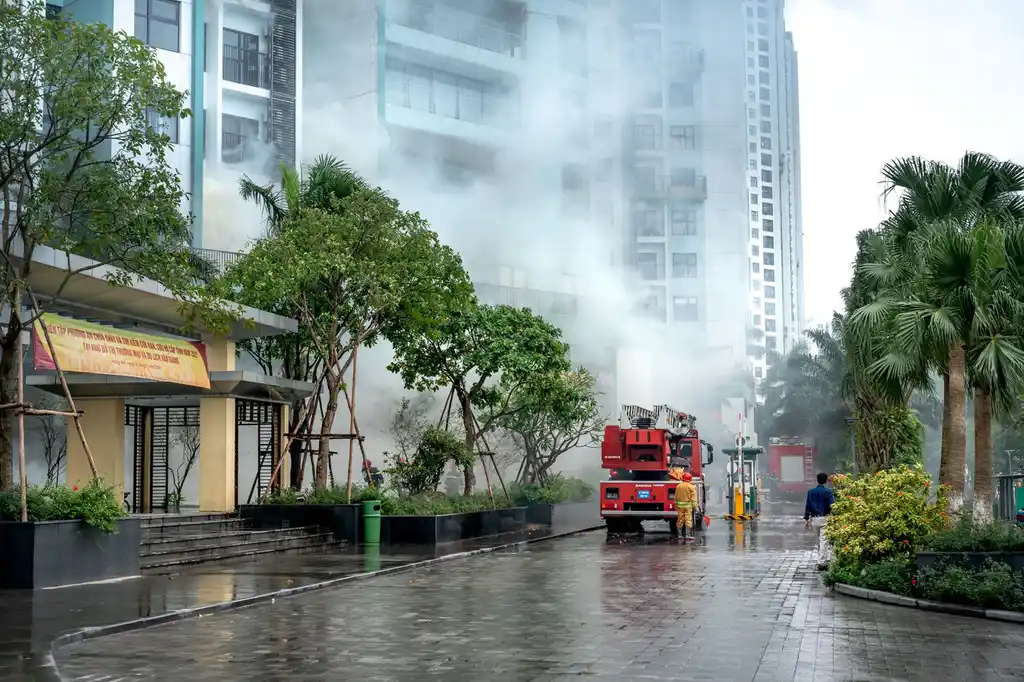
Once dry, we apply antimicrobial solution to framing, subfloor, and any salvageable materials. We run an air scrubber to capture airborne particles, then do a final moisture check and walk you through the results. You get a drying report you can hand to your insurance adjuster.
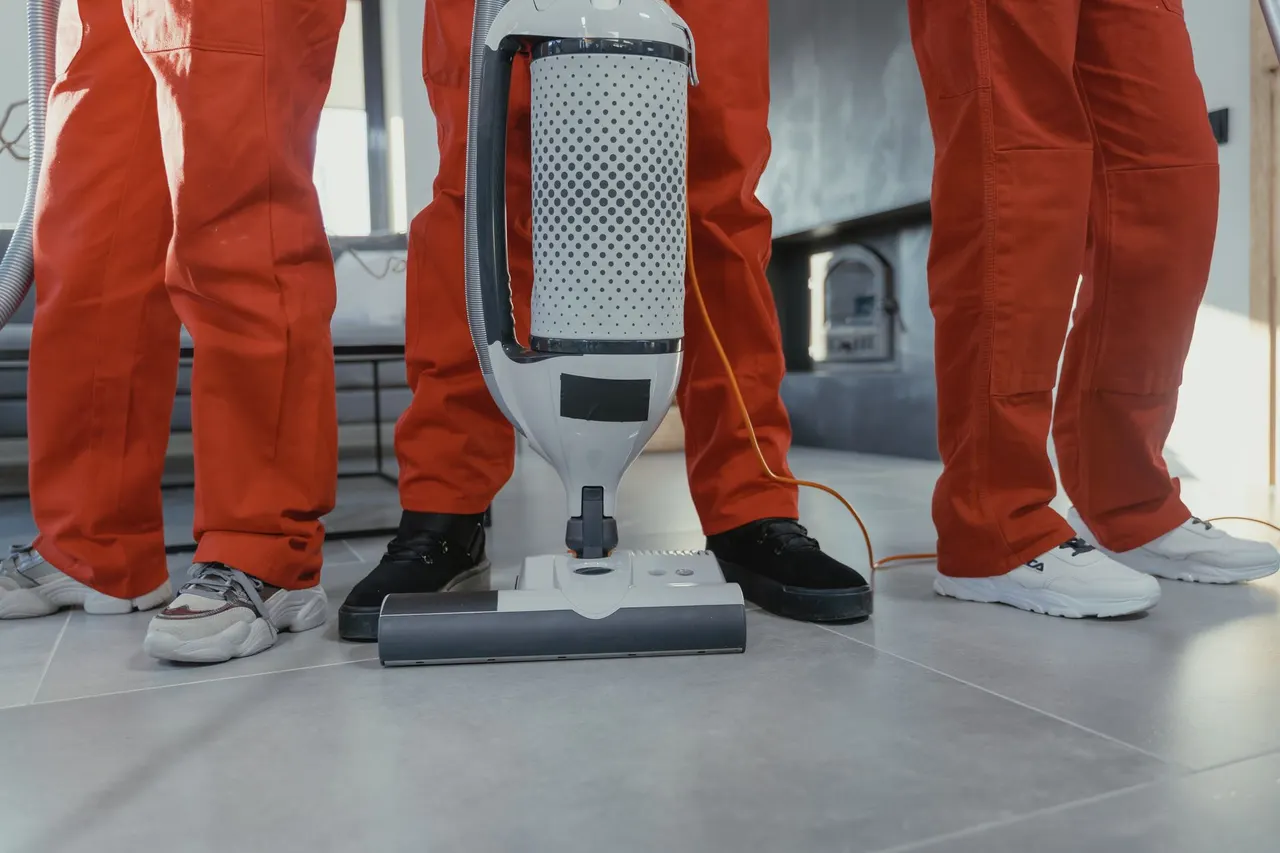
We use these to measure moisture content in drywall, subfloor, and framing. Readings tell us where water has migrated and when the structure has reached dry standard.
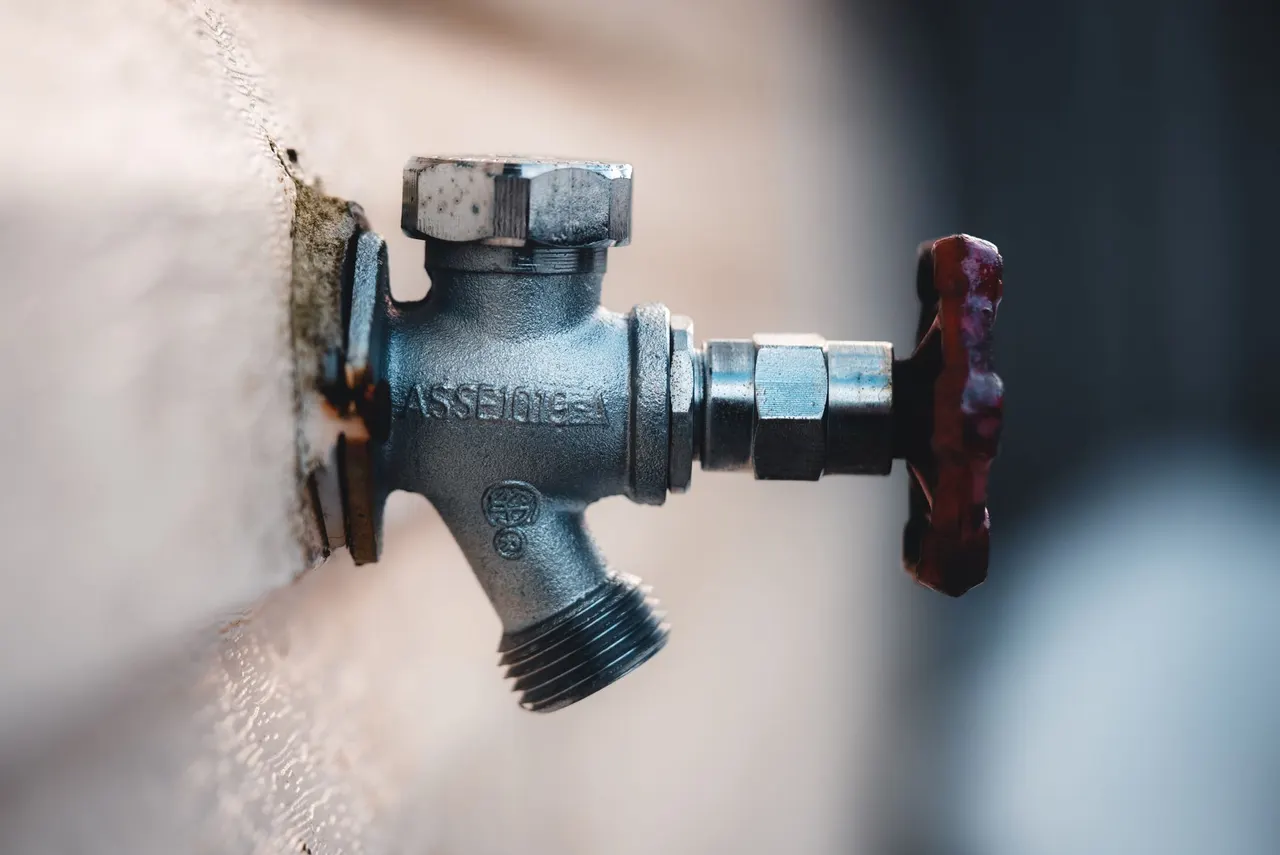
Thermal imaging shows temperature differences that reveal hidden moisture behind walls and under floors. It helps us find water we cannot see with the naked eye.
We use a borescope to inspect inside wall cavities and crawl spaces without tearing everything open. It confirms whether framing and insulation are wet.
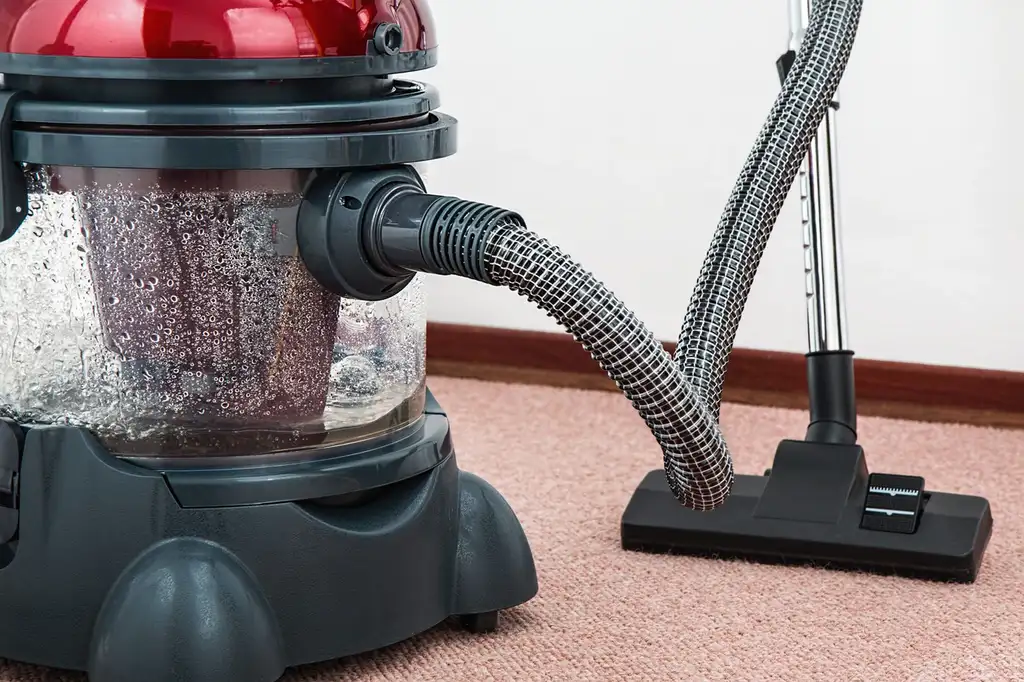
Truck-mounted and portable extraction units pull standing water from carpet, hardwood, and concrete. They remove hundreds of gallons per hour.
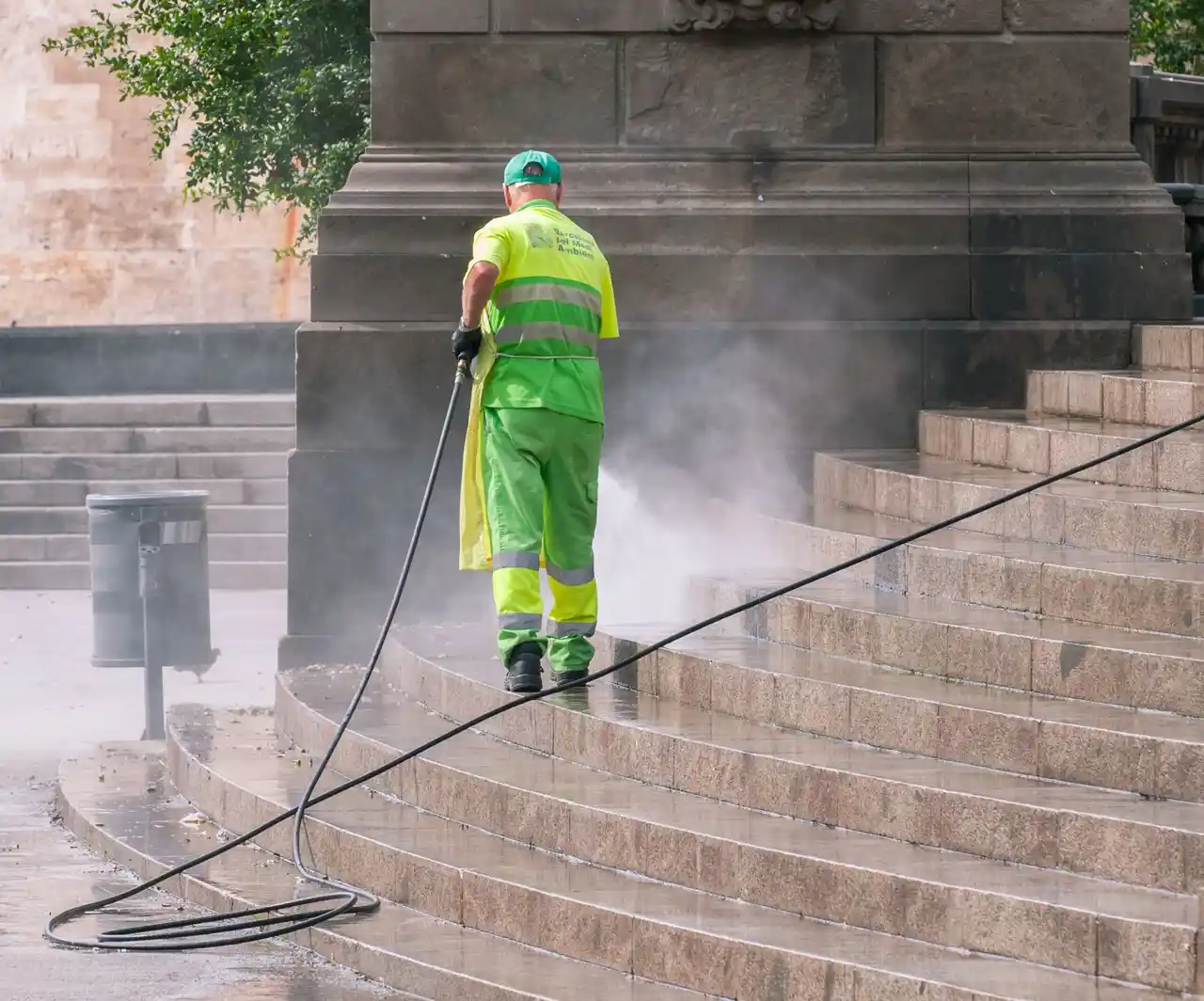
Air movers keep air circulating across wet surfaces, and dehumidifiers pull moisture out of the air. We use Dri-Eaz and Phoenix Restoration Equipment for reliable performance in Pensacola humidity.
An air scrubber with HEPA filtration captures airborne mold spores and particles. We run one on sewage backup jobs and any flood where water stood more than 48 hours.
For odor removal after contaminated water or long-standing moisture, an ozone generator neutralizes smells at the source. We use it only in unoccupied spaces.
This is the industry standard for water damage restoration. It defines water categories, drying goals, and documentation requirements. We follow it on every flood cleanup job so the work is defensible and the drying is measurable.
We treat storm flooding as priority work. Our crew extracts the water, removes saturated materials, and sets drying equipment. We document everything for your flood insurance claim and coordinate with your adjuster. Your home is dried to standard, mold is prevented, and your claim has the documentation it needs.
We find the source, extract the water, and open the wall to dry the framing. If the pipe failed, we document the damage for your plumber and your insurance claim. We treat the area with antimicrobial solution after drying. The wall cavity is dry, the framing is treated, and you have a clear scope for repairs.
We remove the water, dry the concrete and any affected drywall, and check for hidden moisture behind the unit. If the heater failed, we document it for your warranty or insurance claim. The area is dry, the moisture is documented, and you can move forward with replacing the heater.
We extract the water on both floors, open the ceiling to dry the framing, and treat contaminated areas with antimicrobial solution. We run an air scrubber if the water was Category 3. Both floors are dry, the ceiling cavity is treated, and you have a documented scope for drywall repair.
Pensacola's climate makes flood cleanup different from what you would see in a drier part of the country. We get tropical systems from June through November, and afternoon thunderstorms the rest of the year. That means the ground stays saturated, and water has nowhere to go when it hits your foundation. Older homes in North Hill and Seville Square often have pier-and-beam foundations with crawl spaces that flood first. Newer builds in Scenic Heights and Cordova Park are mostly slab-on-grade, which means water spreads across the concrete and wicks into drywall. We adjust our drying approach based on construction type. For a crawl space flooding Pensacola job, we use desiccant dehumidifiers because standard refrigerant units do not perform well in tight, humid spaces. For slab homes, we use air movers in a specific pattern to push water vapor toward the dehumidifier. Escambia County follows Florida Building Code for reconstruction, and we document our work to that standard. If you need 24/7 flood cleanup in Pensacola, Florida, we prioritize active flooding and storm damage calls.
A supply line failed behind the washing machine while the homeowner was at work. Water soaked the laundry room floor, spread under the wall into the hallway, and saturated about 200 square feet of carpet and padding.
We extracted the standing water, removed the wet carpet padding, and dried the subfloor and drywall to under 12 percent moisture content in four days. The homeowner replaced the carpet, and the wall dried without needing replacement.
We recommended a water alarm behind the washing machine and a yearly check of supply lines. Both are inexpensive and catch leaks before they spread.
A tropical system pushed two inches of water into a ground-floor living room and kitchen. The water sat overnight before the homeowner called. Carpet, padding, and the bottom 18 inches of drywall were saturated.
We extracted the water, cut the drywall at the flood line, removed the carpet and padding, and set drying equipment. The structure reached dry standard in five days. The homeowner's flood insurance covered the cleanup and drywall repair.
We suggested a sump pump in the crawl space and grading the yard away from the foundation. Both reduce the chance of the same thing happening next storm season.
A toilet overflow in a ground-floor rental unit sent Category 3 water across the bathroom and into the hallway. The tenant called the property manager, who called us. About 150 square feet were affected.
We removed the contaminated flooring and the bottom 12 inches of drywall, treated the framing with antimicrobial solution, and ran an air scrubber for 48 hours. The unit was dry and sanitized in three days, and the property manager had full documentation for the owner's claim.
We recommended a yearly inspection of the building's main drain line and a note to tenants about what not to flush. The line was cleared the same week.
Flood water creates a chain reaction of problems if it is not handled correctly. These are the issues we see most often and how we address them.
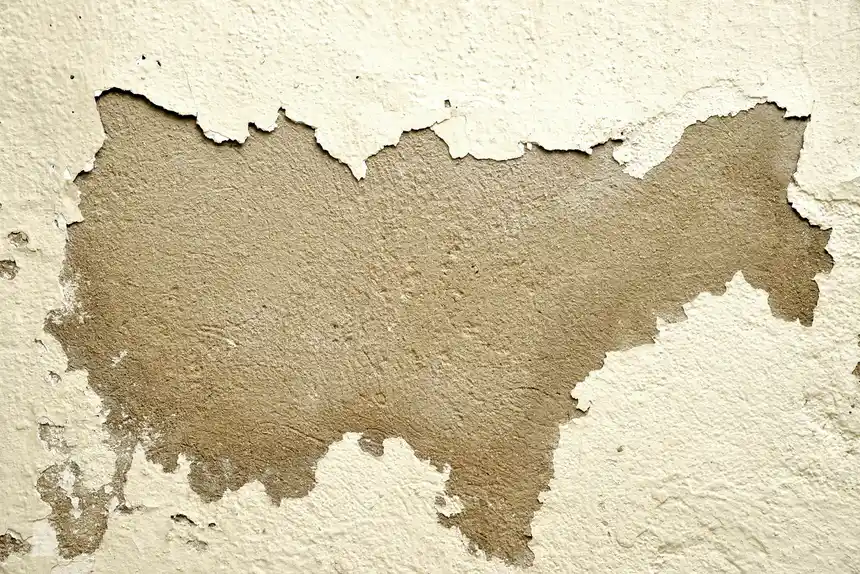
We extract standing water the same day, remove saturated materials, and set drying equipment immediately. Our goal is to save as much of your original structure as possible while stopping mold before it starts. Water wicks into drywall and subfloor within hours, and mold can start growing in 24 to 48 hours. The longer it sits, the more material has to be removed.
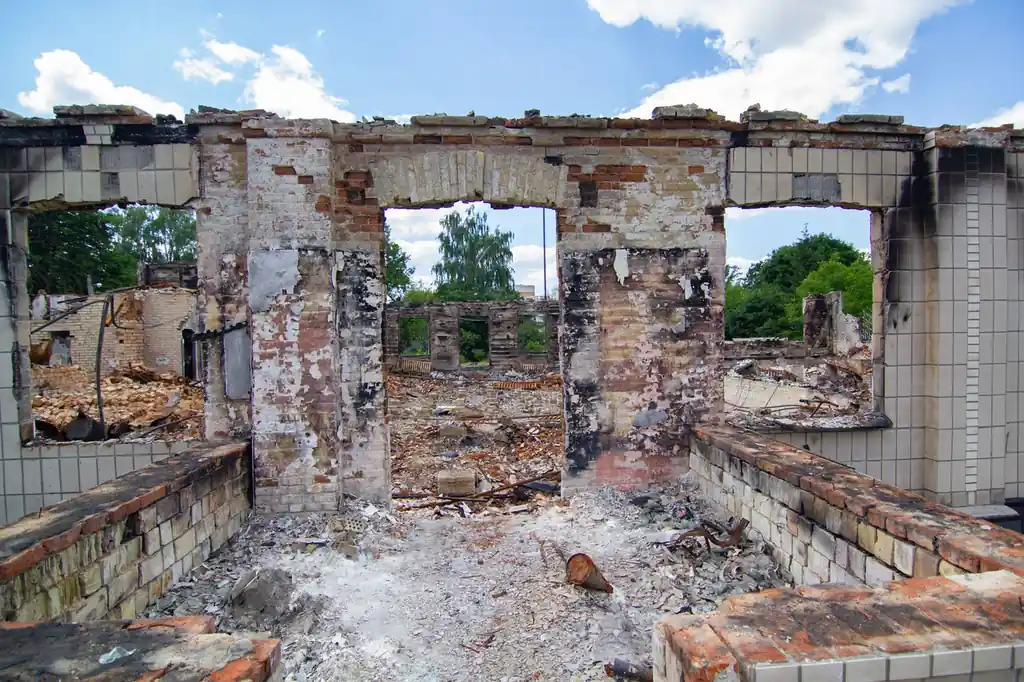
We treat sewage backup as a contaminated water job. That means full PPE, removal of affected materials, antimicrobial treatment, and air scrubbing. We do not dry Category 3 water in place. Category 3 water carries bacteria and pathogens. Drying it in place spreads contamination and creates a health hazard for your family.
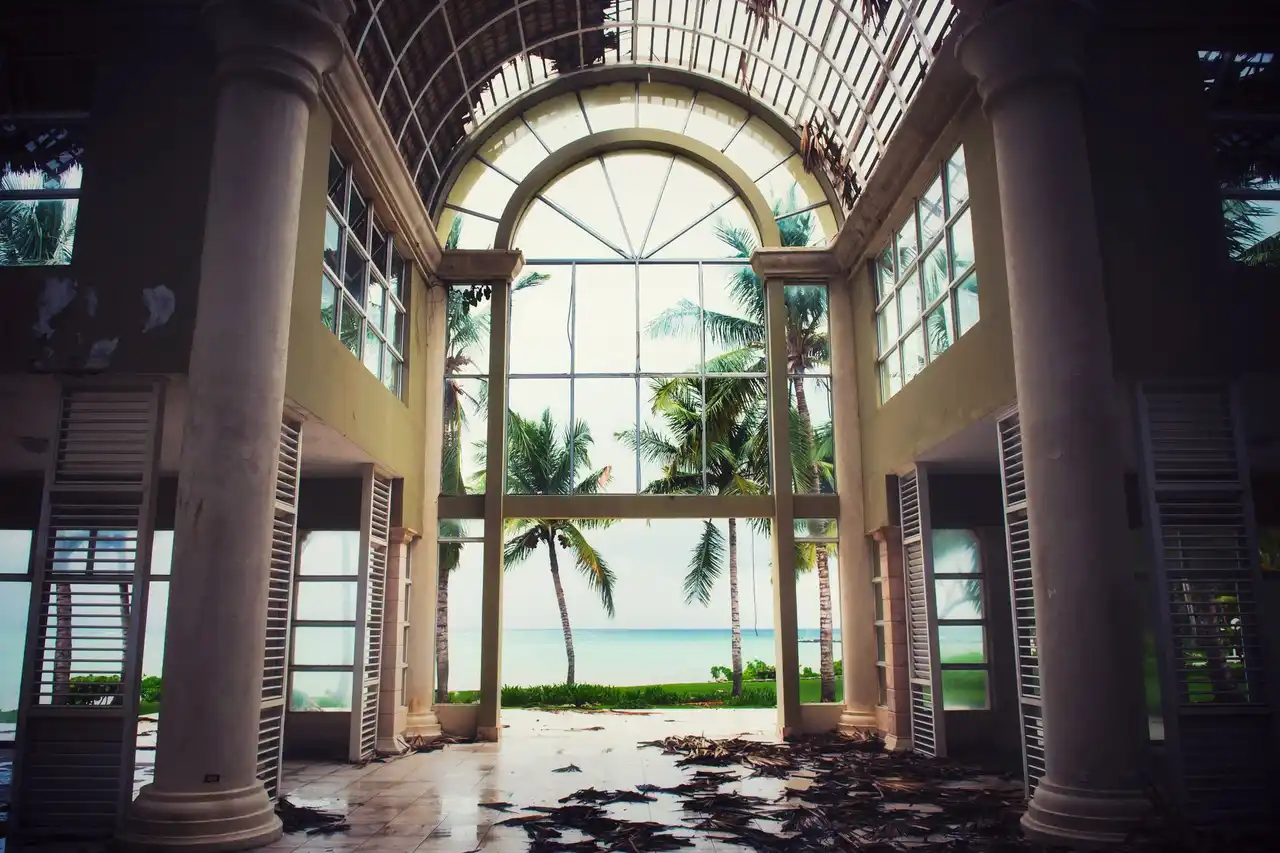
We pump out standing water, position desiccant dehumidifiers and air movers specifically for crawl space conditions, and install a vapor barrier when needed to prevent future moisture problems. Crawl spaces dry slowly because airflow is limited. Wet joists and subfloor can lead to wood rot and mold that spreads into the living space above.
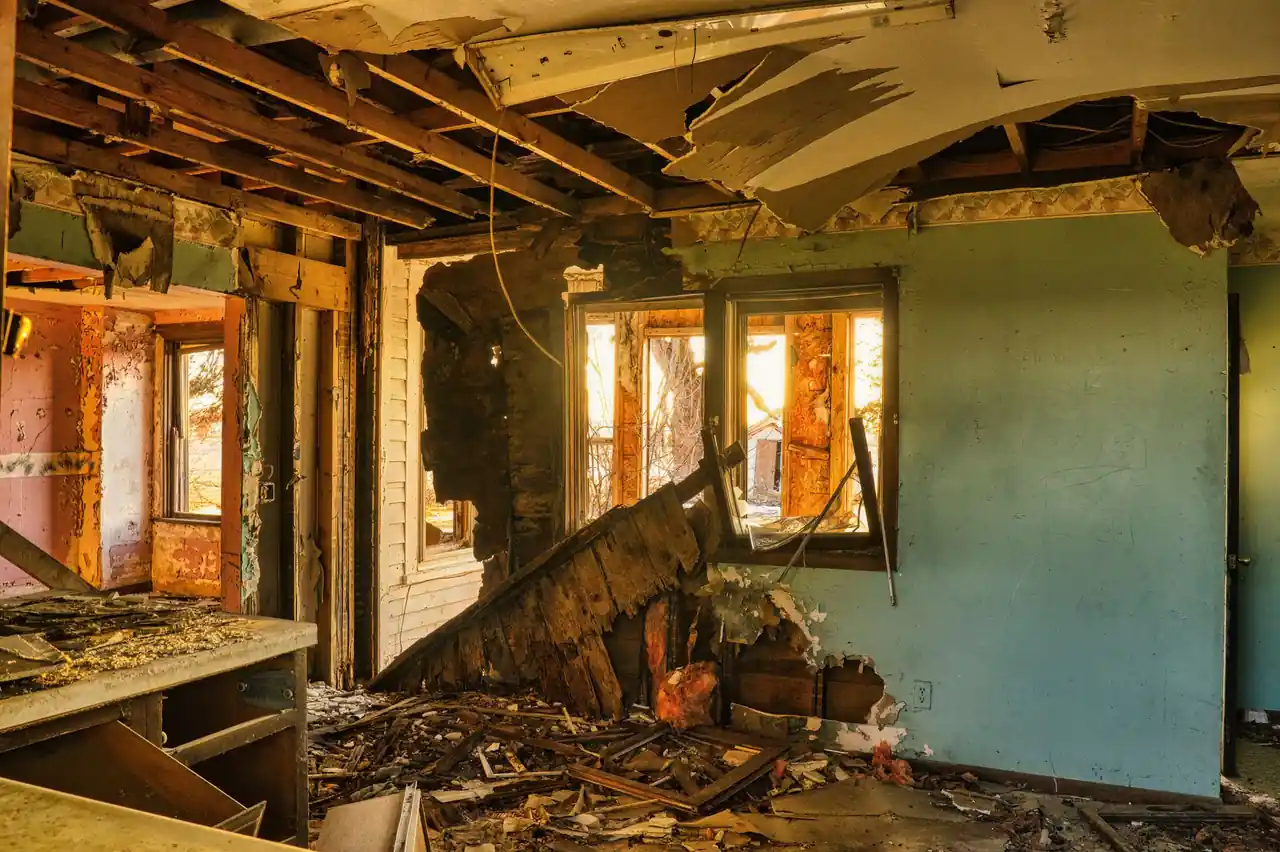
We open the ceiling, dry the framing and insulation, and treat for mold if needed. Once dry, we document the damage for your roofer and your insurance claim so repairs can move forward. A ceiling stain means water is sitting above the drywall. If the leak is not stopped and the cavity dried, the drywall will sag and mold will grow in the insulation.
Our truck-mounted water extraction units pull hundreds of gallons per hour, so standing water in your living room or garage is gone the same day we arrive. We set air movers and dehumidifiers immediately after extraction so drying starts before mold has a chance to colonize. Most residential flood water removal Pensacola Florida jobs reach dry standard in three to five days.
We photograph every affected room, log moisture readings with a hygrometer, and build a scope in Xactimate that your adjuster can actually read. That means fewer back-and-forth calls and a faster claim. If your policy covers flood restoration services Pensacola, our documentation gives you the best shot at a fair settlement.
Mold can begin growing on wet drywall and carpet padding within 24 to 48 hours. We apply antimicrobial solution to affected framing and subfloor, then dry the structure to under 16 percent moisture content. If mold is already present, we bring in an air scrubber and coordinate with a Florida DBPR Licensed Mold Assessor for clearance.
We work Escambia County every week, so we know which neighborhoods flood first and which building materials dry slowest. Whether it is a crawl space flooding in East Hill or a slab leak in Cordova Park, we bring the right equipment for the job. No out-of-town subcontractors, no waiting on a crew to drive in from Mobile.
Clear records you can keep and share.
Room-by-room plan before work starts
Daily readings from start to finish
Final documentation for your insurance claim
Flood water is categorized by how contaminated it is, and that category decides what can be dried and what has to be removed. Knowing the difference helps you understand the scope.
Water from a supply line or rainwater is Category 1. It can often be dried in place if we get to it quickly. If it sits more than 48 hours, it can degrade to Category 2.
Water from a washing machine or toilet bowl is Category 2. It carries some contamination, so we remove affected materials more aggressively. Drying in place is not always appropriate.
Sewage and storm surge are Category 3. This water carries bacteria and pathogens, so affected materials are removed and disposed of. We treat every surface with antimicrobial solution.
Outside these areas? Call and ask if we can reach you. 8505550125
Most residential flood damage cleanup in Pensacola FL runs $1,200 to $4,500 for an average home, depending on square footage, water category, and how much material has to be removed. A small area with clean water might be $800 to $1,500. A whole-house flood with contaminated water and removed drywall can exceed $7,000. We give you an upfront price after the inspection.
Flood cleanup in Pensacola Florida includes water extraction, removal of unsalvageable materials like carpet padding and wet drywall, structural drying with air movers and dehumidifiers, antimicrobial application, and a final moisture check. We also document everything for your insurance claim. If mold is present, we add air scrubbing and coordinate with a licensed mold assessor for clearance.
Pensacola Water Damage Pros offers emergency flood cleanup in Pensacola FL for burst pipes, storm flooding, sewage backup, and appliance leaks. We prioritize active flooding and can usually have a crew on-site the same day. Call 850-555-0125 and describe the situation so we can bring the right equipment on the first trip.
Standard homeowners insurance covers sudden water damage like a burst pipe or water heater leak, but flood insurance through NFIP or a private carrier is what covers storm surge and rising water. We document every job with photos, moisture logs, and an Xactimate scope so your adjuster has what they need. We work with both types of claims regularly.
Standing water gets worse by the hour. Call Pensacola Water Damage Pros at 850-555-0125 and we will schedule a crew, give you an upfront price, and start drying your home. We work with your insurance claim from the first moisture reading to the final walkthrough.
Call 850-555-0125 any time, day or night, and describe what happened. We ask where the water is, whether the source is shut off, and how long it has been running. A crew gets dispatched with extraction and drying equipment, and most Pensacola calls get a team on site within two hours.