Moisture map
A sketch of wet zones with readings.
Structural Drying Pensacola FL means pulling trapped moisture out of drywall, subfloor, and framing until readings match dry standard. When a burst pipe, roof leak, or toilet overflow soaks your home, our team sets drying equipment the same day and logs moisture twice daily. We handle water damage structural drying Pensacola Florida for homeowners, landlords, and property managers who need the structure dry, not just the carpet.
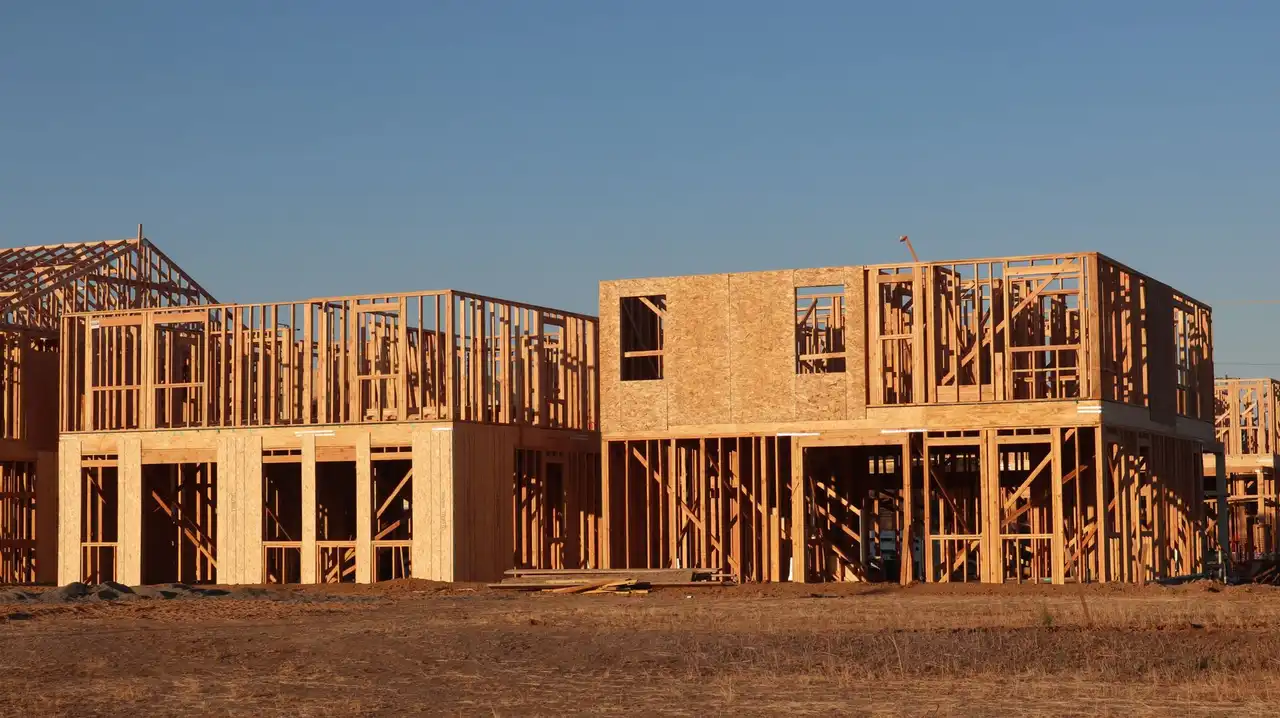
Our structural drying service covers the full drying cycle, from the first moisture reading to the final verification. We include equipment setup, daily monitoring, and documentation. If a material cannot be saved, we tell you before we remove it, and we explain what replacement involves.
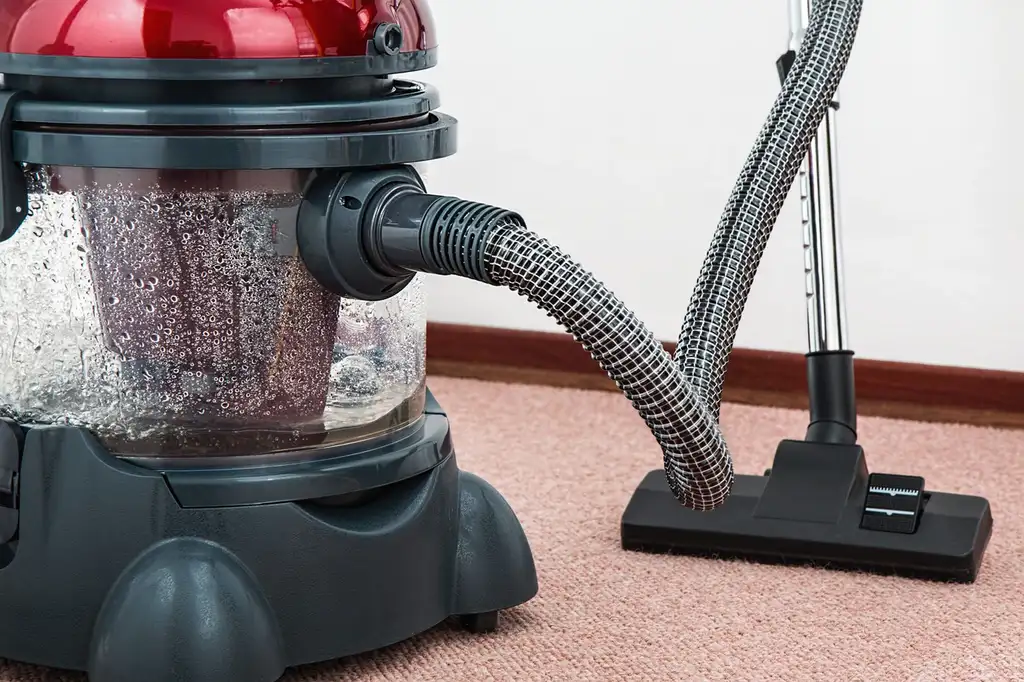
We dry houses, condos, and rentals across Pensacola after leaks, overflows, and storms. Our crew sets equipment, checks moisture daily, and tells you when each room is dry.
We work with property managers and business owners to dry commercial spaces with minimal disruption. Equipment is sized for open areas and scheduled around your hours.
Structural Drying Pensacola FL is the controlled removal of moisture from building materials, using air movement and dehumidification until the structure reaches a documented dry standard. It is not the same as mopping up standing water. Water wicks into drywall, insulation, carpet padding, baseboards, subfloor, and plywood, and it keeps moving upward and outward for hours after the visible puddle is gone. We use a moisture meter and thermal imaging camera to find it, then set air movers and dehumidifiers to pull it out.
Pensacola's humidity makes this urgent. Summer dew points sit in the 70s, and a soaked wall that would dry in three days in a dry climate can sit wet for a week here. That is why dehumidification services Pensacola FL property owners call for are usually paired with extraction and antimicrobial treatment. If you search structural drying Pensacola FL near me after a water heater leak or slab leak, the goal is the same: get the moisture out before mold growth starts, usually within 24 to 48 hours.
Dry the structure, not just the surface, and prove it with readings.
Every job follows the same sequence, from the first call to the final moisture reading. Here is what you experience when you hire us for structural drying and dehumidification Pensacola FL.
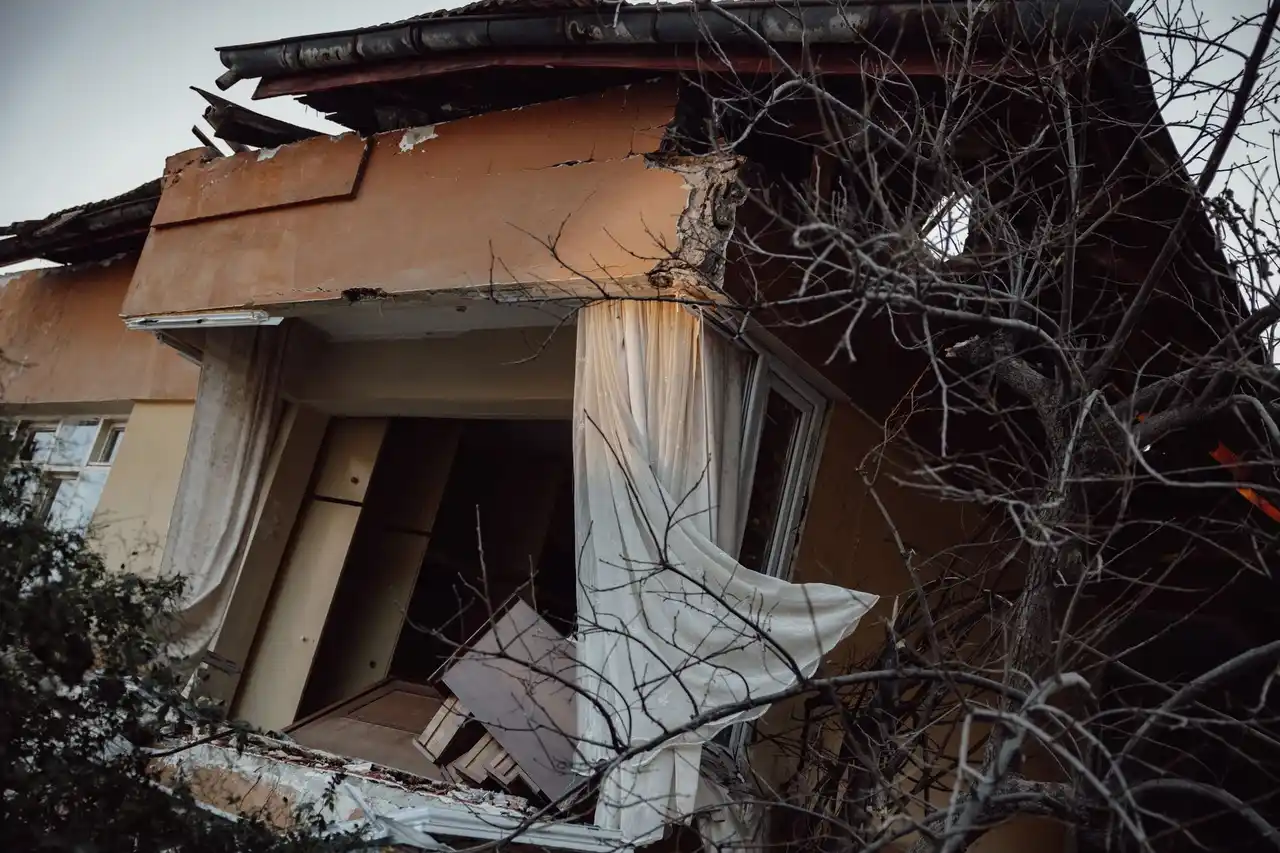
You call and describe what happened. We ask about the water source, how long it has been wet, and whether the power is safe. We schedule a same-day visit for most Pensacola addresses and bring extraction and drying equipment on the first trip so we are not making two trips.
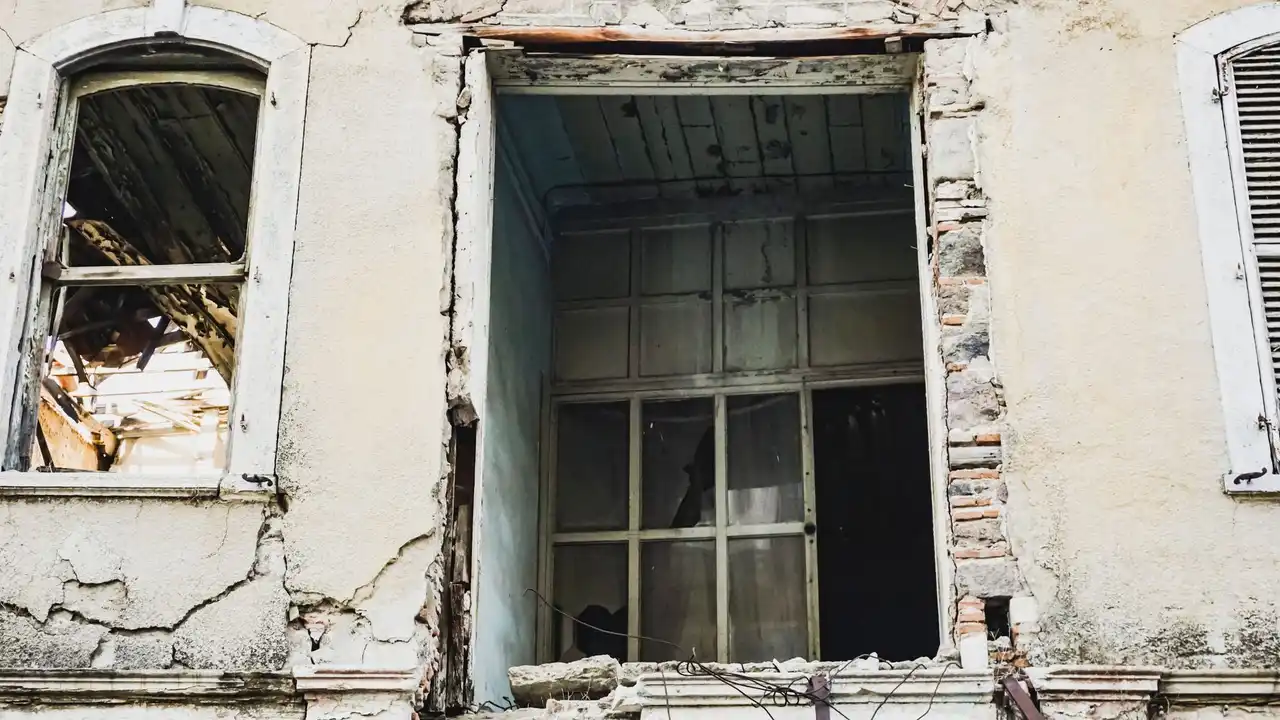
We walk the affected area with a moisture meter, thermal imaging camera, and hygrometer. We check behind baseboards with a borescope camera and map every wet zone on a sketch. You see the readings and understand what is wet before any equipment is placed.
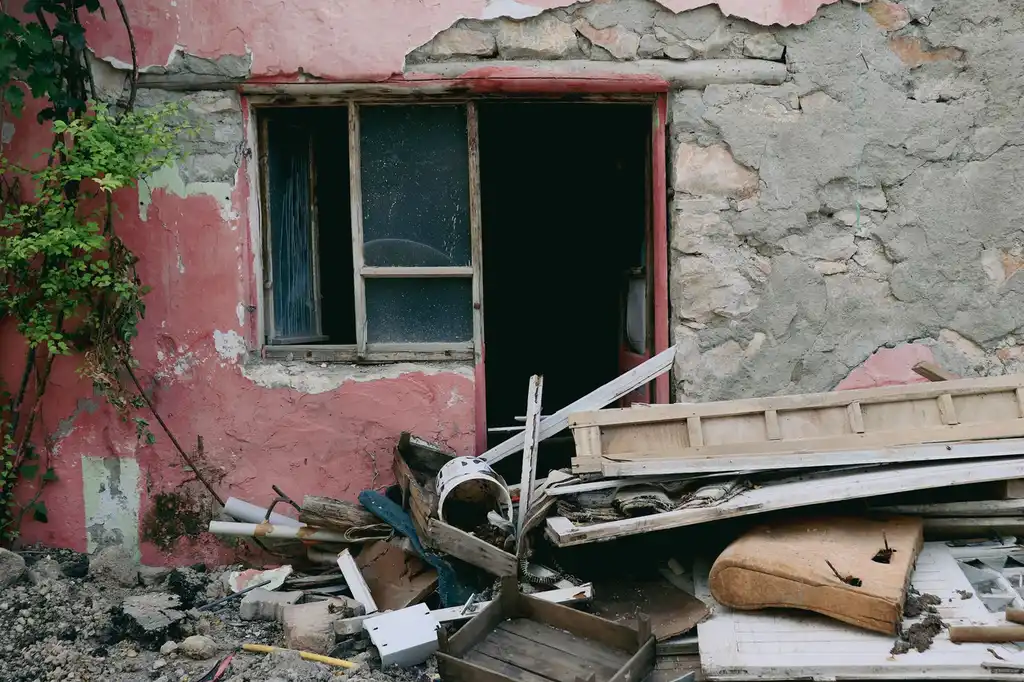
Standing water comes out first with a water extraction unit. Then we set air movers and dehumidifiers in a pattern that moves air through the wet cavities, not just across the floor. We apply antimicrobial solution where needed and protect unaffected rooms with a vapor barrier.
We return each day to record moisture content in drywall, subfloor, and framing. Readings go into a log you can share with your insurer. We adjust equipment placement as materials dry and tell you what the numbers mean in plain language.
When readings match the dry standard for the material, we remove equipment and give you a completion report with photos and the drying log. If any material did not dry, we tell you what needs replacement and why, rather than leaving a hidden problem behind the wall.
Used to measure moisture content in drywall, subfloor, and framing, and to track humidity in the drying chamber.
Finds temperature differences that reveal hidden moisture behind walls and under floors without opening every surface.
Lets us look inside wall cavities to confirm moisture and check for mold growth before we set equipment.
Move air across and through wet materials to speed evaporation. We position them to create a drying vortex in the affected area.
Remove moisture from the air so wet materials can dry. Desiccant units work well in cool or hard-to-heat spaces like crawl spaces.
Pulls standing water out of carpet, padding, and hard floors before drying equipment goes down.
Filters airborne particles during drying and cleanup, useful when mold spores or dust are present.
We follow the S500 standard for water damage restoration, which sets the drying goals and monitoring requirements for different materials. It is the basis for our daily moisture logs and final verification.
We shut off the water, extract standing water, and open the ceiling where moisture is trapped. We set air movers and dehumidifiers to dry the joists and insulation, then check readings daily. The ceiling framing dries without mold growth, and the drywall repair can proceed once readings are dry.
We extract water from the carpet and padding, check the subfloor with a moisture meter, and set drying equipment. If the padding is saturated, we remove and replace it. The subfloor dries to standard, and the carpet is saved or replaced based on readings, not guesswork.
We extract water, set desiccant dehumidifiers and air scrubbers, and work after hours to keep the business open. Daily readings track progress. The lobby dries in four days, and the business avoids a lengthy closure.
We extract water, check plaster and framing moisture, and use low-profile air movers to dry the wall cavity without damaging historic trim. The plaster and baseboards dry in place, preserving the home's original features.
Pensacola's climate makes structural drying different from drier parts of the country. Summer humidity stays high, and a wet wall that might dry in three days elsewhere can take five here. We account for that by running dehumidifiers longer and checking readings daily. The building stock matters too. Historic homes in Seville Square and Old East Hill often have plaster walls and older framing that dry differently from modern drywall. Newer construction in Cordova Park and Scenic Heights uses materials that can dry faster but may hide moisture behind vinyl flooring. We adjust equipment and monitoring to match the building. Crawl space flooding is common after heavy rain, so we keep sump pumps and crawl space dehumidifiers ready. If you need 24/7 dehumidification services in Pensacola, Florida, we schedule around the weather and get equipment on site fast.
A supply line burst under a kitchen sink and soaked the cabinet base, drywall, and subfloor. Moisture readings showed 28% in the subfloor, well above dry standard.
We extracted water, set air movers and a dehumidifier, and logged readings daily. By day four, subfloor readings were 12% and drywall was dry. No cabinets were removed.
We recommended checking supply lines annually and installing a leak detector under the sink to catch future leaks early.
A roof leak sent water through the ceiling and into the hallway drywall. The stain was small, but a thermal camera found moisture eight feet away in the ceiling cavity.
We opened the ceiling, dried the framing and insulation with air movers, and confirmed readings were dry in three days. The drywall was repaired and repainted.
We suggested a roof inspection after major storms and checking attic insulation for dampness twice a year.
A toilet overflow soaked the bathroom floor and ran into two bedrooms, saturating carpet and padding. The subfloor read 25% moisture.
We removed the saturated padding, extracted water, and set drying equipment. Subfloor readings dropped to 11% in four days. Carpet was saved; padding was replaced.
We recommended replacing the toilet supply line and checking the shut-off valve annually to prevent a repeat.
Water damage rarely stays where it starts. These are the problems we see most often when homeowners call for affordable structural drying Pensacola FL, and how we handle each one.
We use a thermal imaging camera and moisture meter to find wet zones behind baseboards and inside wall cavities. Then we set air movers to dry the cavity and check readings daily until the material is dry. Trapped water feeds mold growth inside the cavity, which can spread to adjacent rooms and force drywall removal.
We check subfloor moisture with a meter and dry it using air movers directed at the floor cavity. If flooring has to come up, we dry the subfloor before any replacement goes down. Subfloor stays wet long after the surface looks dry, causing cupping, squeaks, and eventually rot if not dried.
We remove standing water with a sump pump, set crawl space dehumidifiers, and check the vapor barrier. We also verify joist moisture before closing the space back up. Standing water in a crawl space raises humidity inside the home and can lead to mold growth on joists and insulation.
We open the ceiling cavity where needed, dry the framing and insulation, and confirm moisture readings before repairing the drywall. We also check the roof leak source so the repair holds. Water trapped above ceiling drywall can soak insulation and framing, and the stain often reappears after the next rain.
Mold can begin colonizing wet drywall and insulation in 24 to 48 hours. By setting air movers and dehumidifiers the same day, we dry the cavity fast enough to remove the condition mold needs. We also apply antimicrobial solution to framing and subfloor where water traveled.
Fast structural drying often means we save drywall, baseboards, and hardwood that would otherwise be cut out and replaced. On a typical 400-square-foot affected area, that can mean hundreds of dollars in materials and days of reconstruction avoided. We measure moisture before we recommend any tear-out.
We log moisture readings, take photos, and write drying reports in Xactimate-compatible format. That documentation supports your claim and shows the adjuster exactly what was wet, what we did, and when the structure reached dry standard. You get a clear record instead of a vague invoice.
Most residential drying jobs reach dry standard in three to five days. Commercial losses with large open areas can run longer, but daily monitoring keeps the timeline tight. You get a written schedule and know when equipment comes out and when you can use the room again.
Clear records you can keep and share.
A sketch of wet zones with readings.
Moisture readings recorded each day.
Photos and final readings for your records.
Drying a building is a measured process, not a guess. The goal is to bring materials to a dry standard and prove it with readings.
Dry standard is the moisture level a material should reach in a dry environment. We compare readings to that target, not to how the surface feels.
Water travels behind walls and under floors farther than the visible stain suggests. We use a thermal camera and meter to find it.

Outside these areas? Call and ask if we can reach you. 8505550125
Most residential structural drying jobs in Pensacola run $1,200 to $3,800 depending on the area affected and how many days drying takes. A single room with wet drywall and carpet padding sits at the lower end. A larger loss with multiple rooms, hardwood, or crawl space involvement runs higher. We give you a written scope before work begins so you know the cost.
Most homes reach dry standard in three to five days. Humidity slows drying, so a job that starts during a rainy week can take an extra day or two. We check moisture daily and remove equipment as soon as readings are dry, rather than billing extra days. Commercial losses with large open areas can run five to seven days.
We do, along with extraction and full structural drying. Our team sets refrigerant and desiccant dehumidifiers sized to the cubic footage of the affected area. We also handle crawl space flooding, which is common in Pensacola after heavy rain, using dedicated crawl space dehumidifiers and vapor barrier checks.
Most homeowner policies cover structural drying when the water damage comes from a sudden event like a burst pipe, appliance leak, or roof leak. Gradual leaks and maintenance issues are often excluded. We document moisture readings and provide Xactimate-compatible reports to support your claim, and we can talk with your adjuster directly.
Water does not wait, and neither should you. Call Pensacola Water Damage Pros and we will schedule a same-day inspection, show you the moisture readings, and start drying before mold has a chance to grow. One call gets equipment on site.
Call 850-555-0125 any time, day or night, and describe what happened. We ask where the water is, whether the source is shut off, and how long it has been running. A crew gets dispatched with extraction and drying equipment, and most Pensacola calls get a team on site within two hours.