Written scope
Room-by-room plan with moisture readings.
When a burst pipe, appliance leak, or storm soaks your flooring, Water Damaged Floor Restoration Pensacola FL starts with stopping the water and measuring what is wet. We pull moisture out of hardwood, tile, laminate, and subfloor, then dry the structure before mold sets in. Our team handles floor water damage repair Pensacola FL homeowners call about at 2 a.m., and we document everything for your insurance claim.
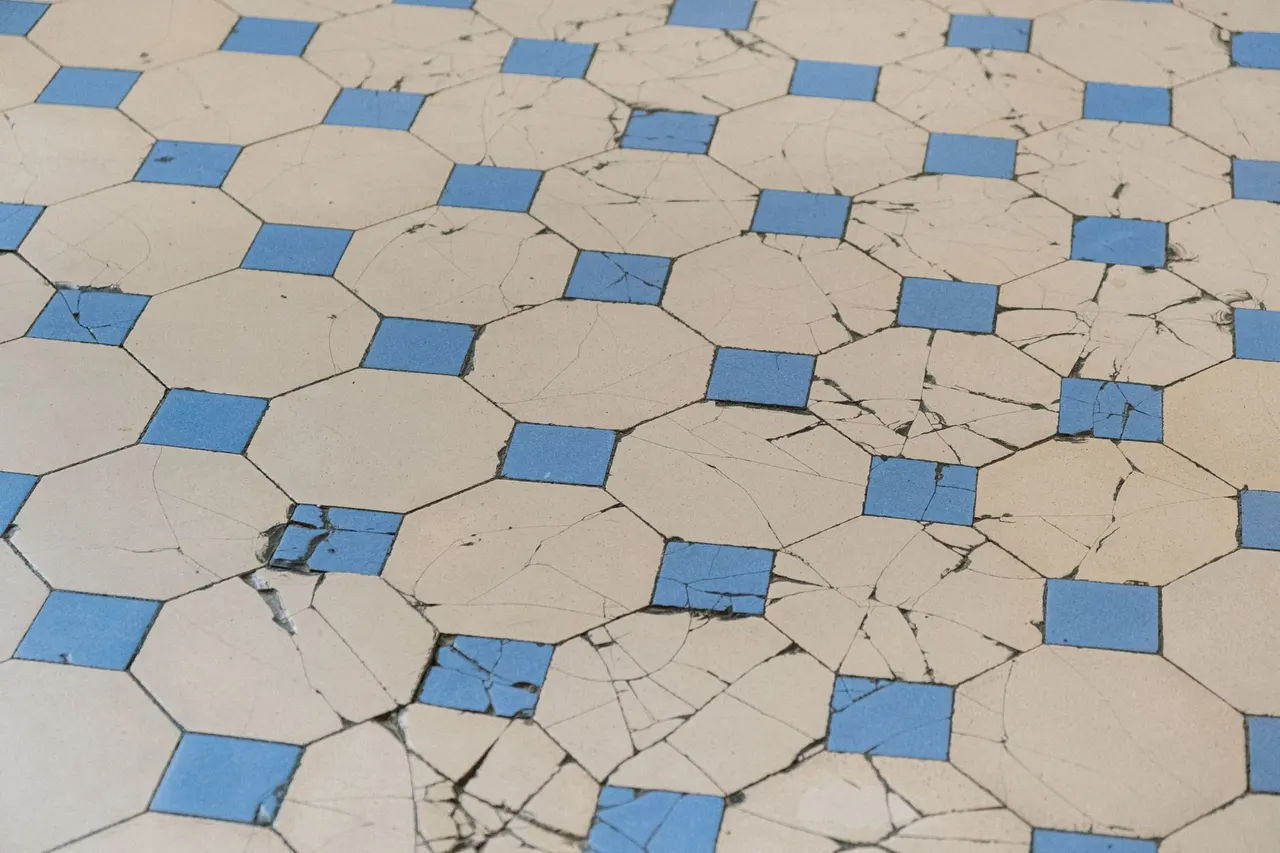
Every job starts with an inspection and a written scope. From there, we handle the dry-out and the repair in one project, so you are not coordinating two contractors. Here is what is included in a standard floor restoration, and what we price separately when the damage goes beyond the floor.
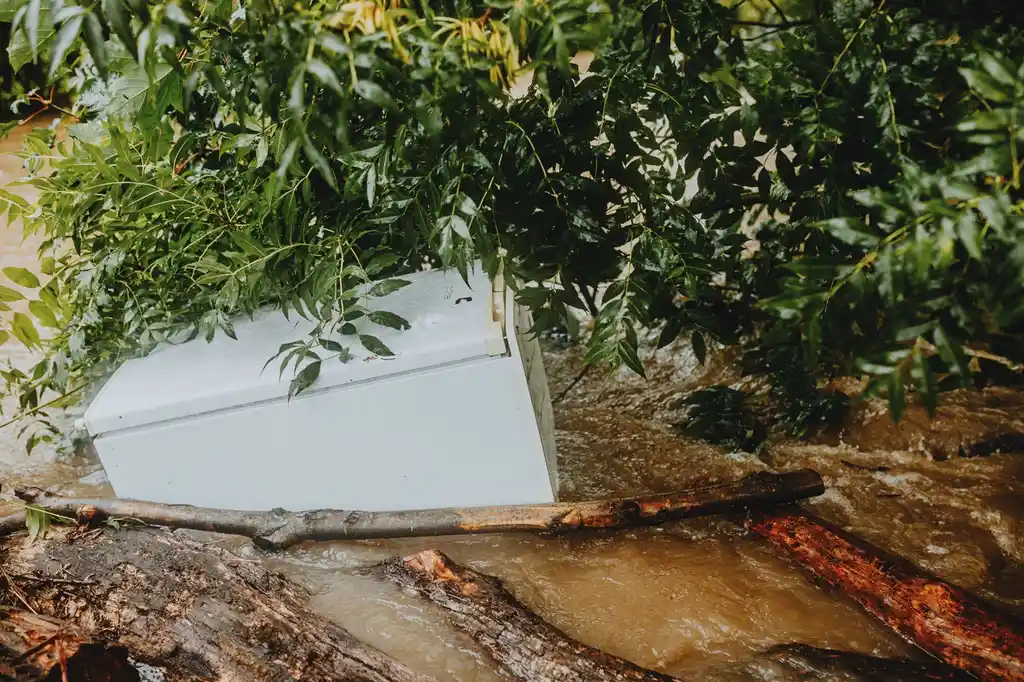
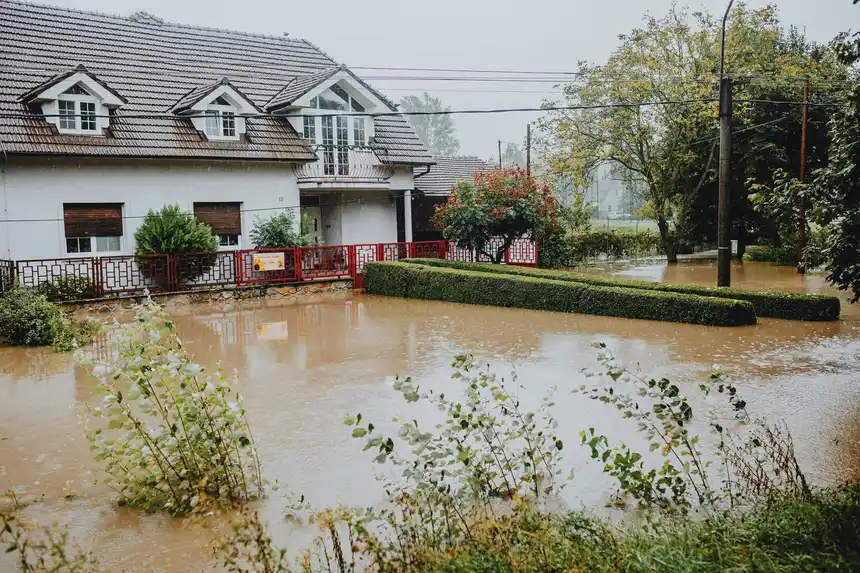
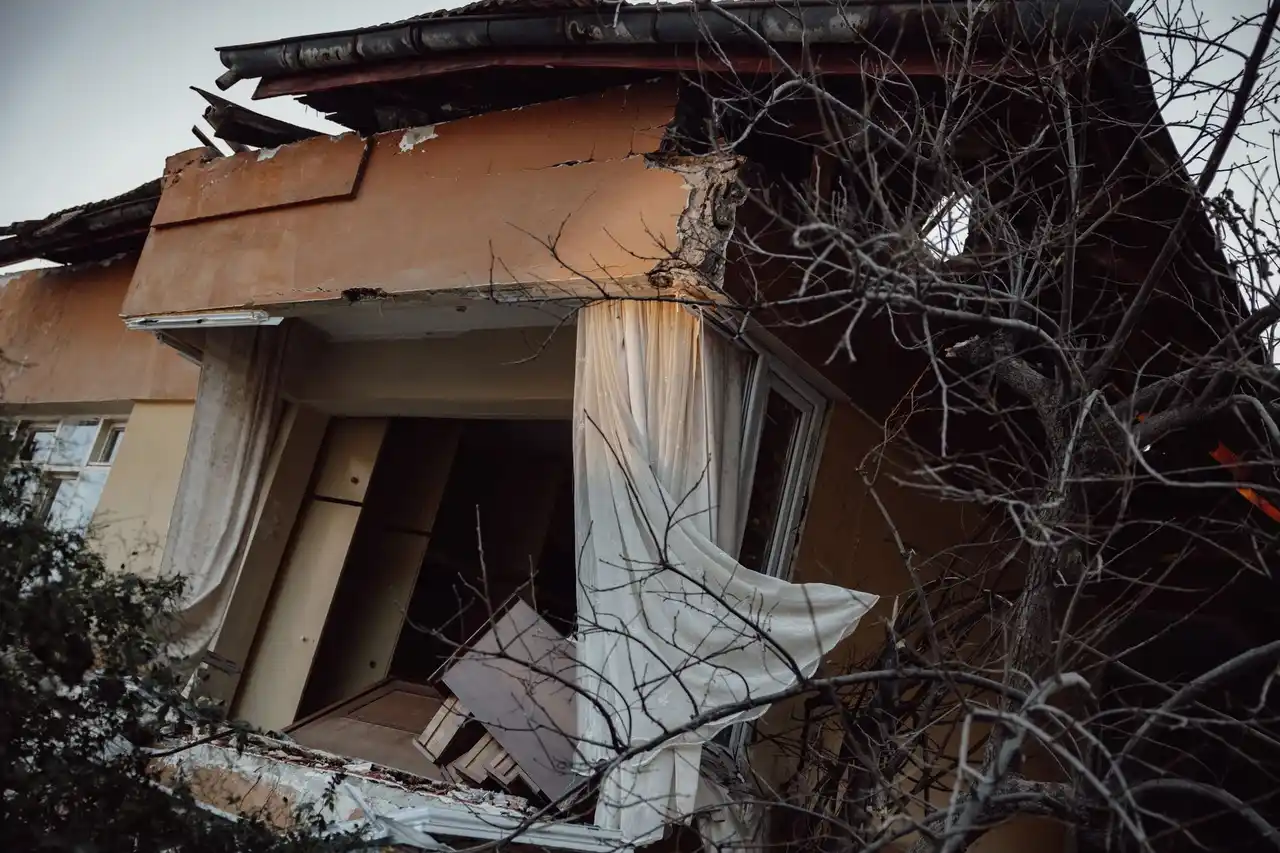
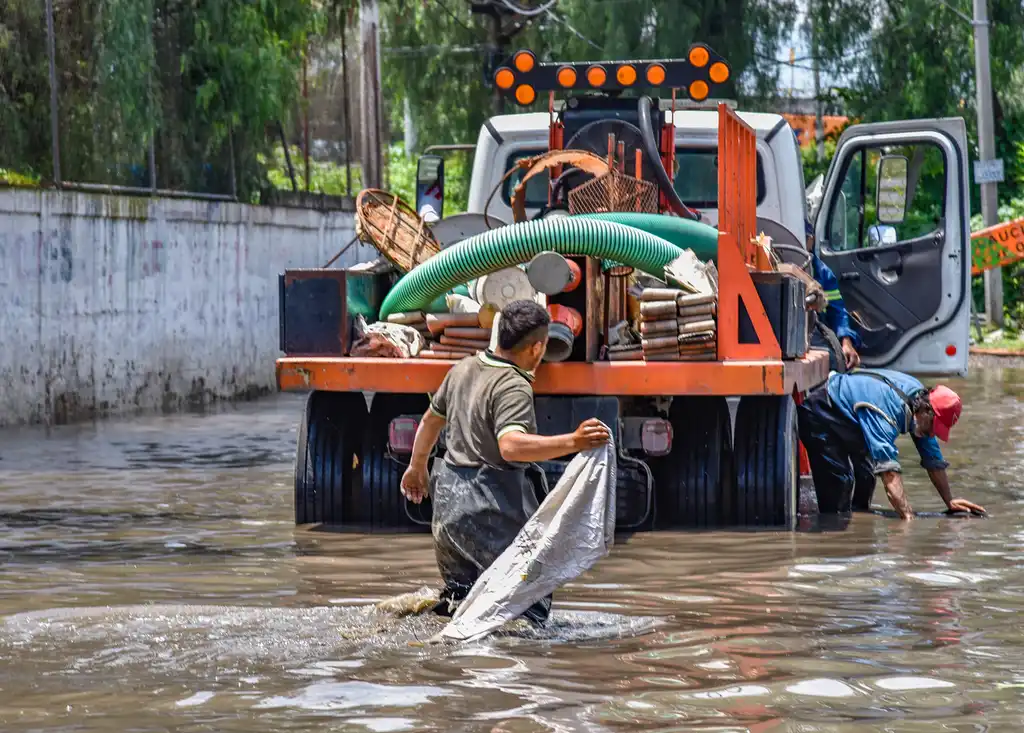
Homes in Pensacola deal with leaks from water heaters, appliances, and storms. We extract the water, dry the subfloor, and repair the flooring so your house is dry and back to normal.
Commercial spaces need to reopen fast. We work around your hours to extract water, dry the floor, and restore the surface so your business does not lose more days.
Water Damaged Floor Restoration Pensacola FL is the process of extracting standing water, drying the flooring and subfloor to measured standards, and repairing or replacing whatever the moisture ruined. It is not a fan-and-wait job. We use moisture meters and thermal imaging cameras to map the wet zone, then set air movers and dehumidifiers to pull moisture out of plywood, baseboards, and carpet padding. Hardwood needs slower drying to prevent cupping; tile and vinyl usually need the subfloor opened up. Every step is documented with readings so you and your adjuster can see the floor actually dried.
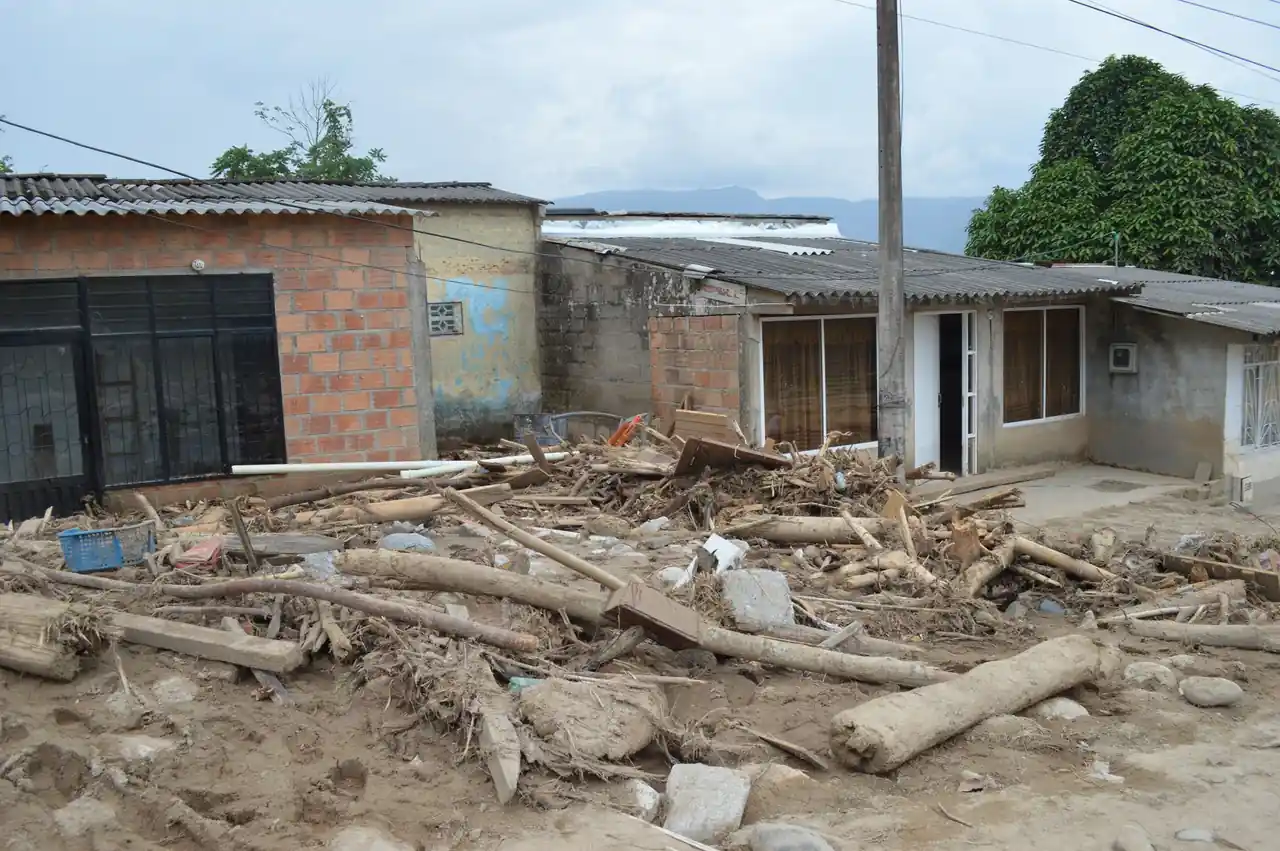
Pensacola homes get hit from every direction: summer thunderstorms, hurricane-season roof leaks, slab leaks under kitchen floors, and water heater failures that dump 40 gallons before anyone notices. In older East Hill and North Hill houses, that water wicks into original hardwood and crawl spaces fast. If you search water damaged floor restoration Pensacola FL near me after a storm, the clock matters. Mold can begin colonizing wet framing within 24 to 48 hours, so we treat every call as an emergency floor water damage repair near Pensacola and start extraction the same day.
Dry the structure first, then repair the floor. Skipping that order is how floors get replaced twice.
From the first call to the final walkthrough, here is exactly what happens when you hire us for water damaged flooring repair in Pensacola FL.
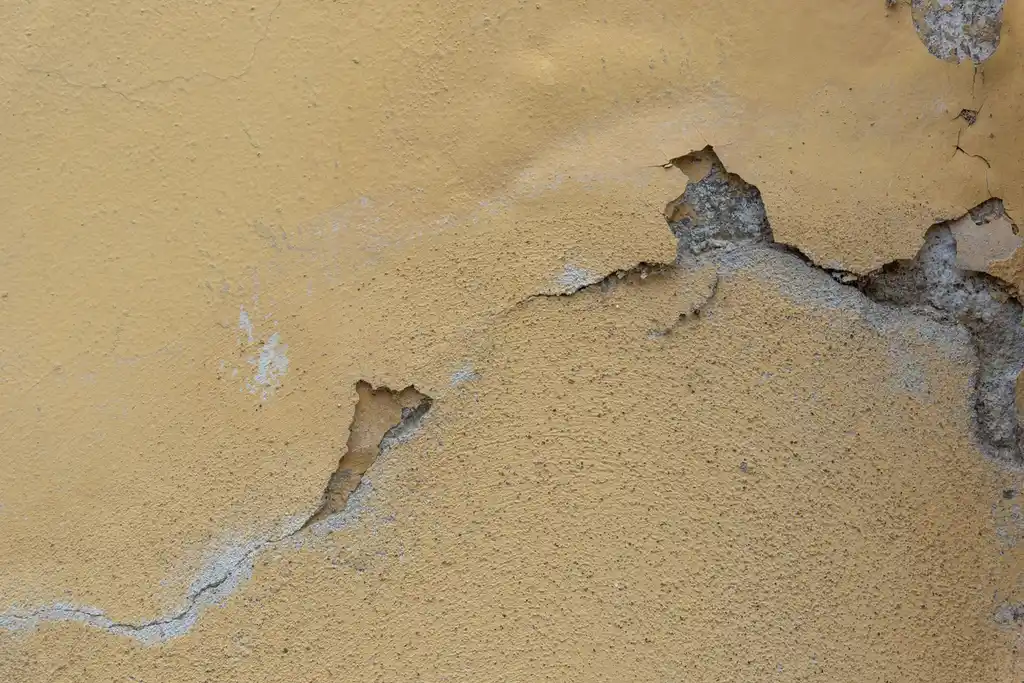
You call and describe the leak, the room, and what you can see. We ask about the water source, whether it is clean or sewage, and how long it has been wet. A crew is scheduled the same day, often within two to four hours for active water.
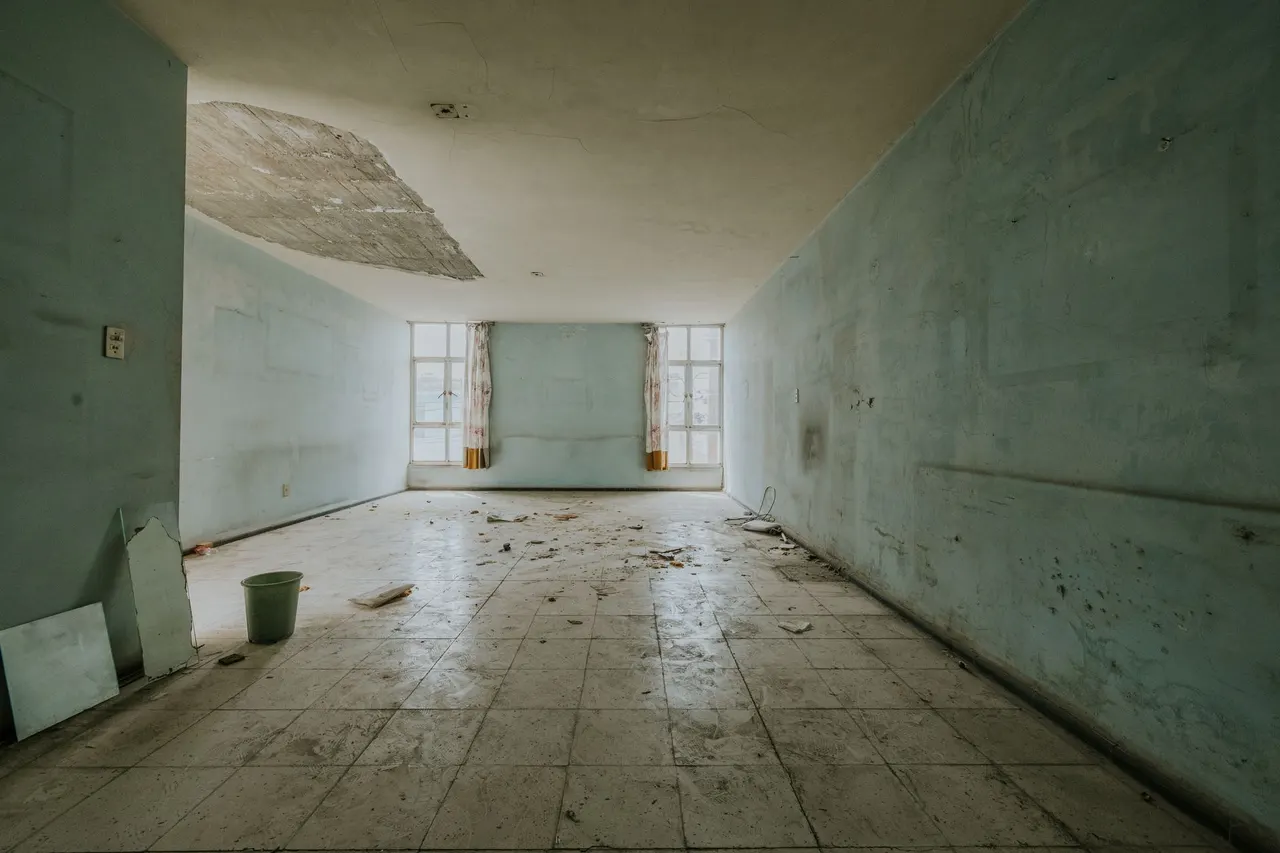
We walk the floor with a moisture meter and thermal imaging camera to find wet pockets you cannot see, including under baseboards and into the subfloor. You get a written scope and a clear explanation of what can be dried and what has to come out.
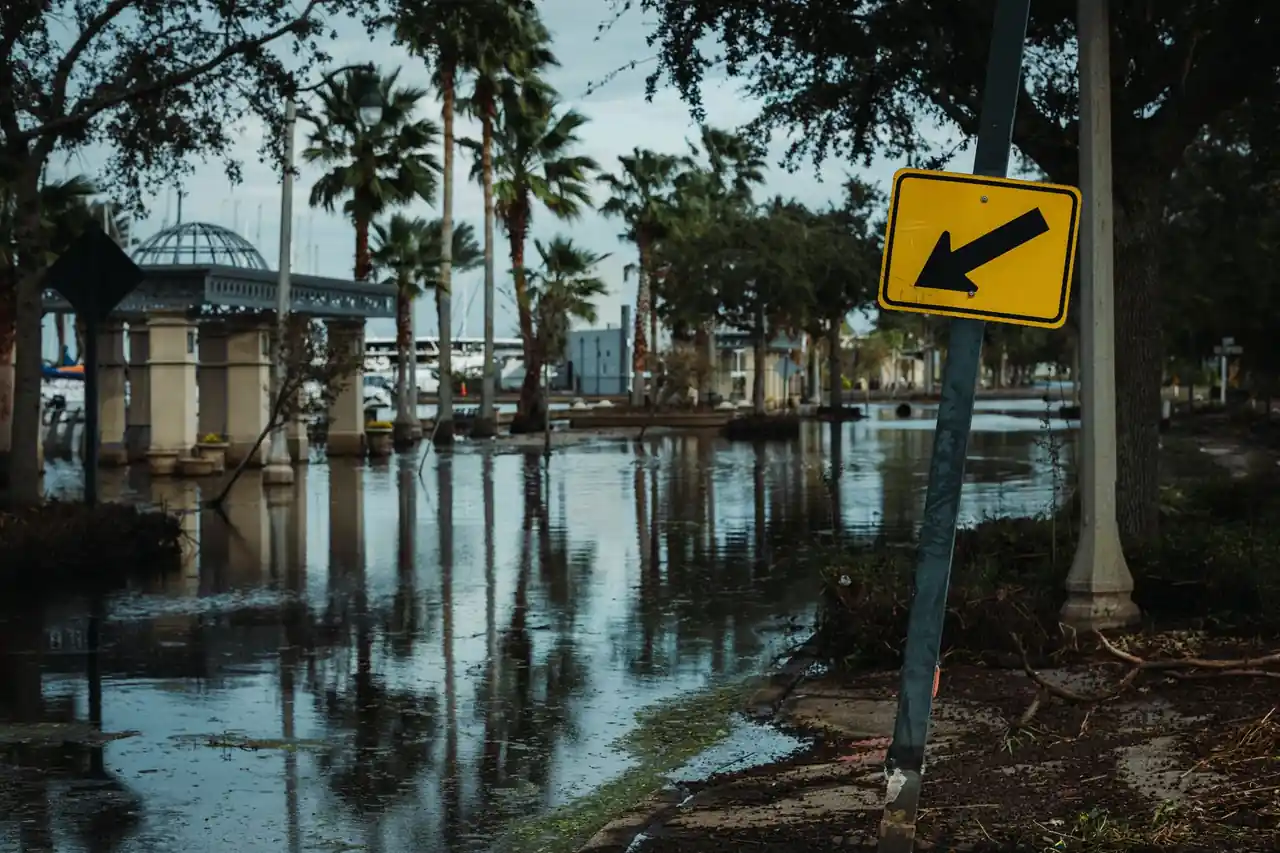
Water extraction units pull standing water from carpet and hard surfaces. We remove wet carpet padding, set air movers and dehumidifiers, and check readings twice a day. Most rooms take three to five days to reach dry standard.
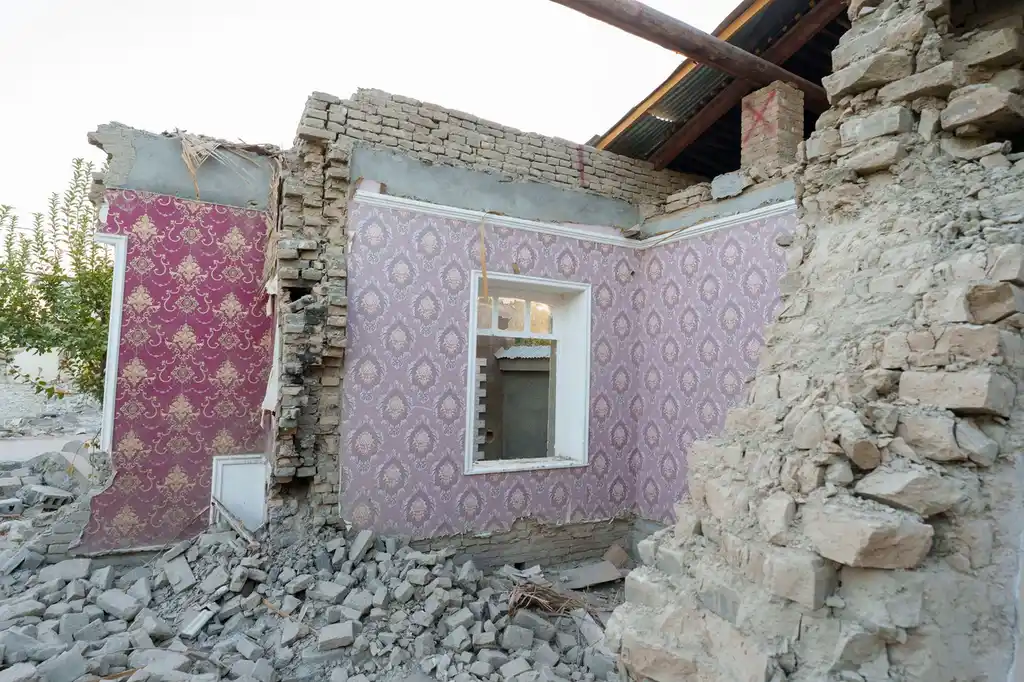
Once the structure is dry, we repair or replace damaged flooring, subfloor, baseboards, and drywall. Hardwood gets sanded and refinished where possible; tile and laminate get matched and reset. We keep the work code-correct for Escambia County.
We walk the finished floor with you, show the final moisture readings, and hand over documentation for your insurance file. If anything looks off in the first weeks, you call us and we come back.
Used to measure moisture content in flooring, subfloor, and framing, and to track humidity in the drying chamber. Readings are logged twice daily to confirm dry standard.

Finds hidden wet spots behind walls and under floors without demolition. We use it to map the wet zone before we set equipment.
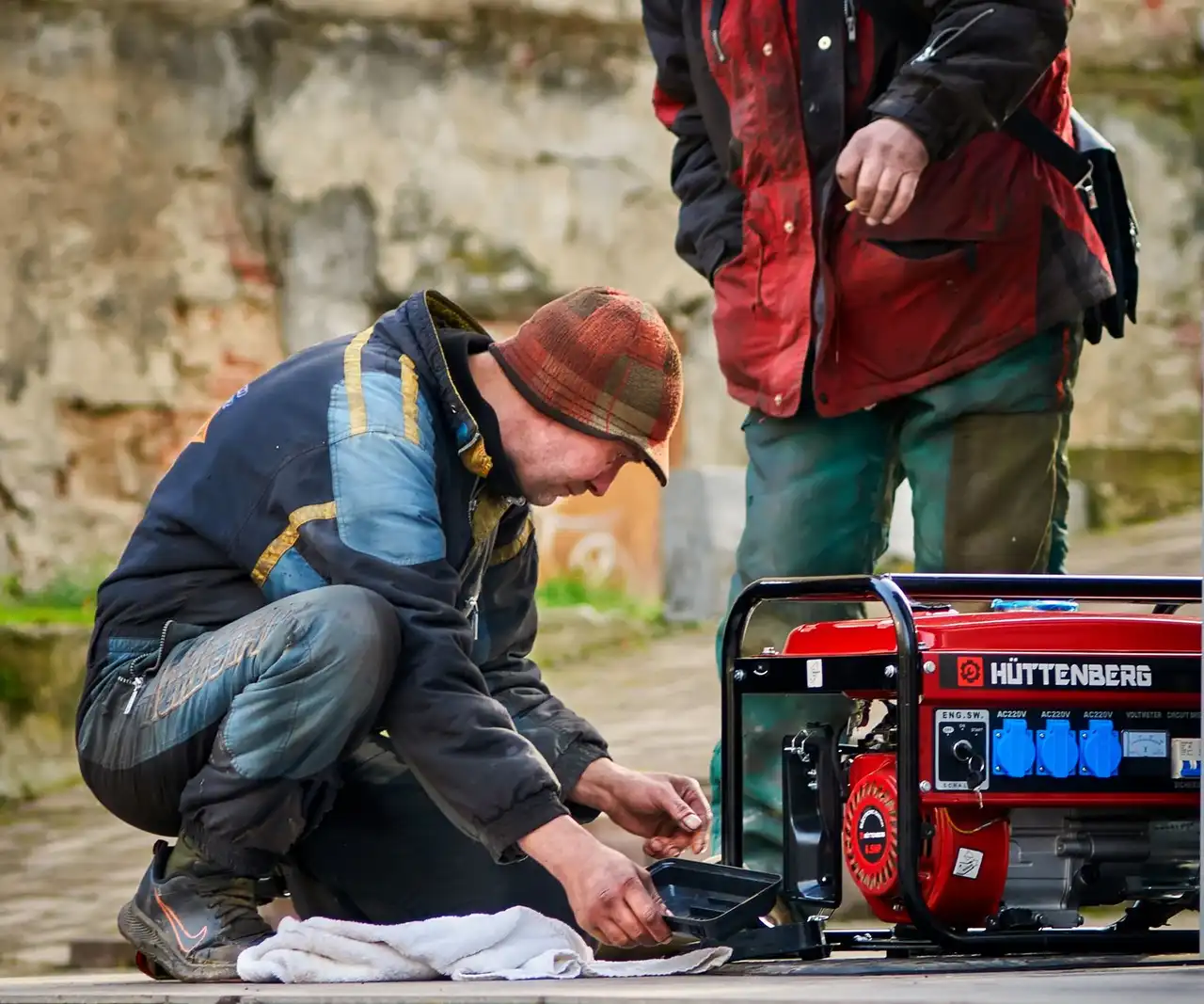
Pulls standing water out of carpet and hard surfaces. We use truck-mounted and portable units depending on access.
Dri-Eaz and Phoenix Restoration Equipment air movers and dehumidifiers create the airflow and humidity control needed to dry structural materials.
Lets us look inside wall cavities and under cabinets to check for moisture and mold without tearing out more than necessary.
Filters airborne mold spores and dust during the dry-out and any demolition, keeping the rest of the house clean.
Removes standing water from crawl spaces and low spots before drying equipment is set.
We follow the IICRC S500 standard for water damage restoration, which sets the dry standard, equipment placement, and monitoring frequency for each class of water loss.
We extract the water, remove wet baseboards and padding, and dry the subfloor with air movers and dehumidifiers. Then we replace the laminate and baseboards and check the adjacent rooms for hidden moisture. The floor is dry in four days and the repair matches the rest of the house. The homeowner avoids replacing the entire hallway floor.
We tarp the roof if needed, extract water from the carpet, remove wet padding, and dry the subfloor and wall cavity. A borescope camera checks for moisture inside the wall before we close it up. The bedroom floor and wall are dry and repaired, and the homeowner has documentation for the insurance claim.
We pull the appliance, extract the water, and set drying equipment. The hardwood is dried slowly, then sanded and refinished to blend with the rest of the kitchen. The hardwood is saved and the finish matches. The homeowner avoids a full kitchen floor replacement.
We stop the water, extract from the bathroom floor, and open the ceiling below to dry the framing. Contaminated flooring and padding are removed and the area is disinfected. Both floors are dry and repaired, and the ceiling is patched and painted. The homeowner gets a clean, dry space back.
Pensacola is hard on floors. Summer humidity sits in the 70s and 80s, hurricane season runs June through November, and afternoon thunderstorms can drop two inches of rain in an hour. That water finds its way into crawl spaces, under doors, and through roof leaks. Older homes in East Hill, North Hill, and Seville Square often have original hardwood over pier-and-beam framing, which means water wicks into the subfloor from below as well as above. Newer slab-on-grade homes in Cordova Park and Scenic Heights trap water between the slab and flooring, so we use a moisture meter and thermal imaging camera to find it. When you need floor water damage repair Pensacola FL after a storm, we prioritize active water and start extraction the same day. For water damaged floor restoration Pensacola FL near me searches in 32503 or 32504, we are usually on site within a few hours.
A 50-gallon water heater failed overnight and released water across a laundry room and hallway. The laminate flooring was buckled and the subfloor was saturated. The homeowner called at 6 a.m. and we had a crew on site by 8.
We extracted 30 gallons of standing water, removed wet laminate and baseboards, and dried the subfloor in four days. New laminate and baseboards were installed to match the adjacent rooms. Final moisture readings were within dry standard.
Check the water heater pan and shutoff valve annually. Replace the anode rod every few years to extend tank life.
A dishwasher supply line leaked under a kitchen cabinet and soaked 200 square feet of oak hardwood. The boards were cupped and the homeowner assumed the floor was ruined.
We extracted the water, set mat drying equipment, and dried the hardwood over five days. The floor was then sanded and refinished to match the rest of the house. The homeowner saved the original floor instead of replacing it.
Inspect appliance supply lines every six months. Replace rubber hoses with braided stainless steel.
Heavy rain flooded a crawl space and water wicked up into the subfloor. The floors felt soft in the hallway and the house smelled musty. The homeowner had not been under the house in years.
We pumped out 4 inches of standing water, removed wet insulation, and dried the crawl space with dehumidifiers. Damaged subfloor sections were replaced and the hardwood above was dried and refinished. The musty smell was gone.
Keep gutters clean and check the crawl space after heavy rain. A vapor barrier helps control ground moisture.
Water finds the weak spot in every floor. These are the problems we see most often and how we fix them before they turn into a full replacement.
We dry the hardwood slowly with controlled humidity and mat drying systems, then sand and refinish. Most cupped floors can be saved if we start within 48 hours, saving thousands over replacement. Cupped boards trap moisture underneath and can delaminate, leading to a full tear-out if drying is delayed more than a few days.
We remove the finished floor, dry or replace the subfloor, treat with antimicrobial solution, and reset new tile or vinyl. A moisture meter confirms the subfloor is dry before we install. Tile and vinyl trap water against the subfloor, which softens plywood and grows mold out of sight. The floor feels spongy and the grout starts cracking.
We pump out the crawl space with a sump pump, remove wet insulation, and dry the space with dehumidifiers. Then we repair or replace the damaged subfloor and flooring above. Standing water in the crawl space wicks up into the subfloor and rots joists. Floors above feel soft and the house smells musty.
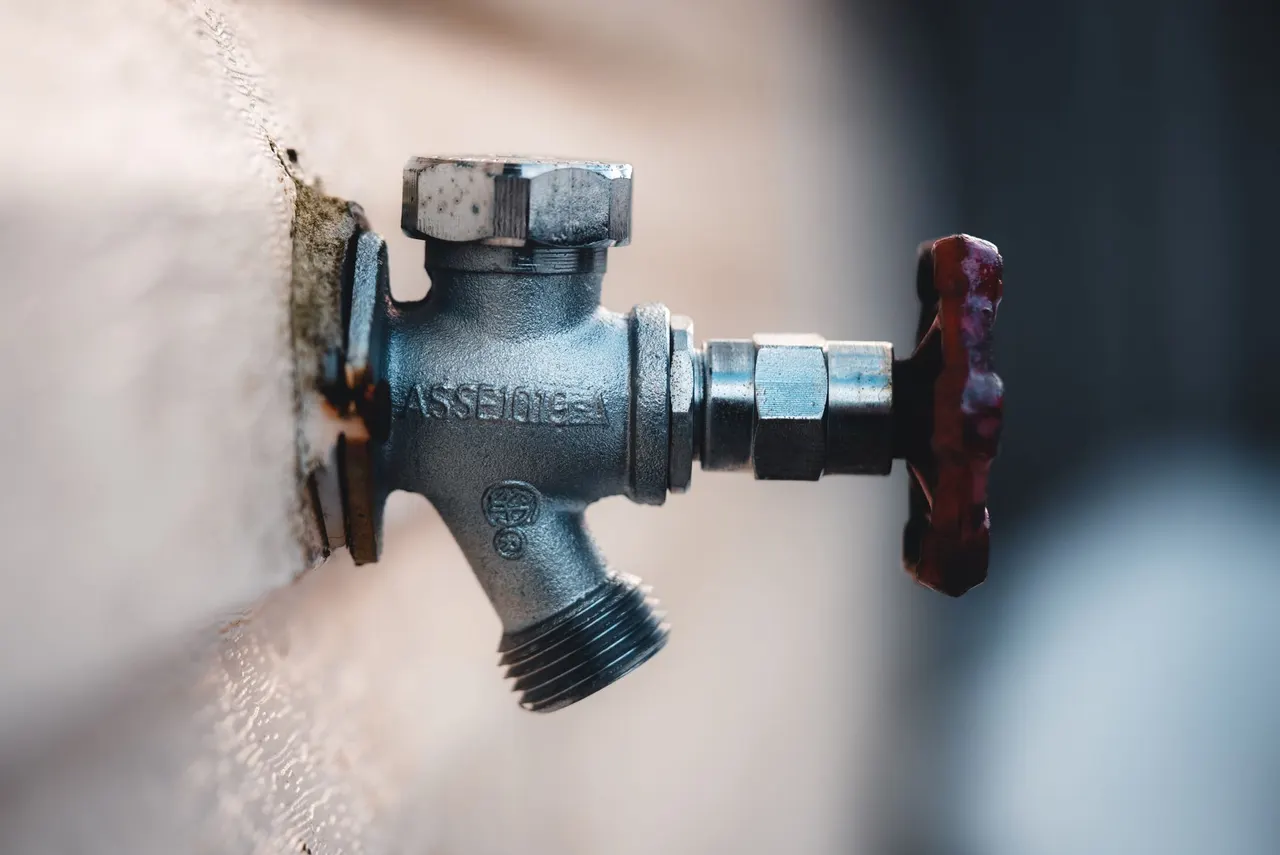
We contain the area, remove contaminated flooring and padding, disinfect with antimicrobial solution, and dry the structure. Then we restore the floor with new materials. Sewage is category 3 water and carries bacteria. Flooring and padding that contact it must be removed, and the area has to be disinfected before anyone lives on it again.
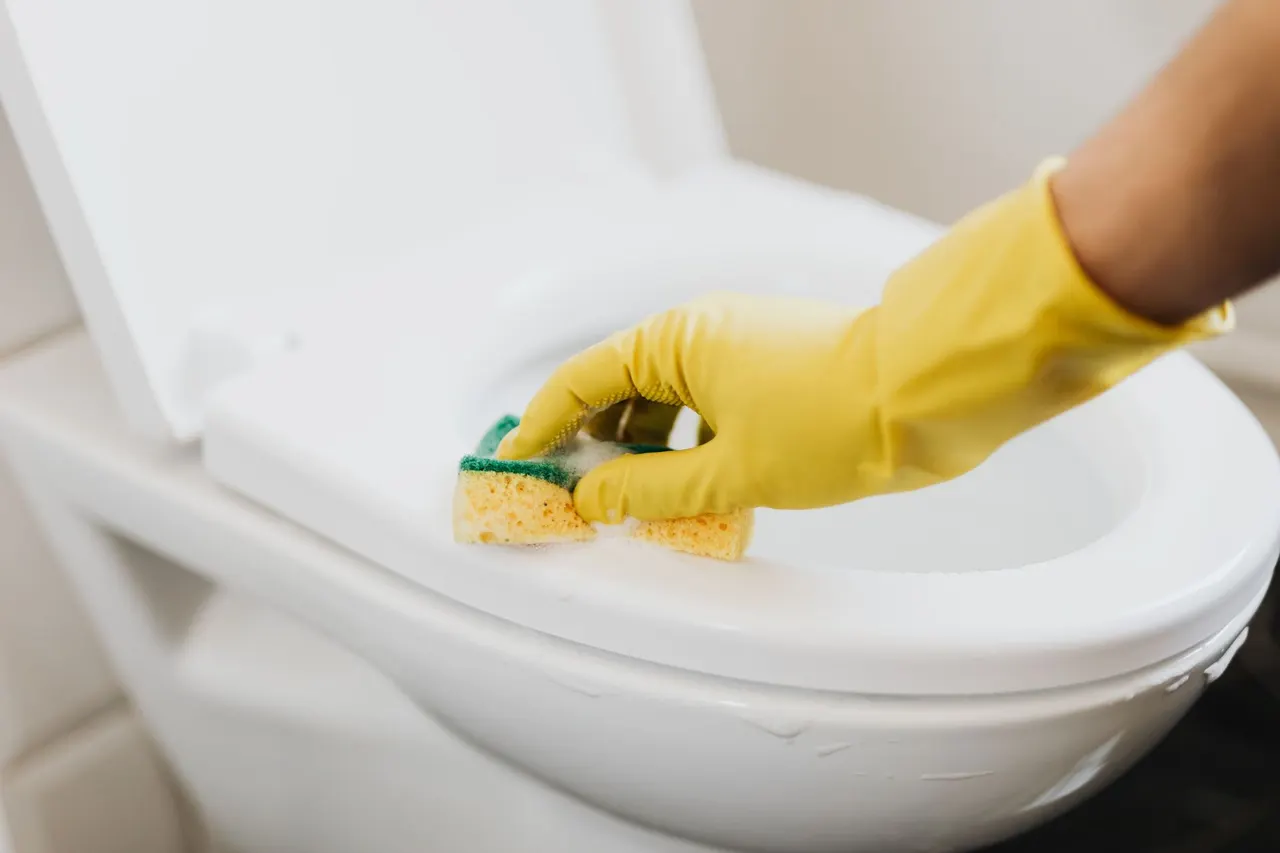
We remove wet padding, dry the carpet and subfloor, and use air scrubbers with HEPA filtration. If mold is present, we follow Florida mold remediation protocol before reinstalling padding. Carpet padding holds water like a sponge. Mold can start in 24 to 48 hours, and by the time you smell it, the subfloor is often affected.
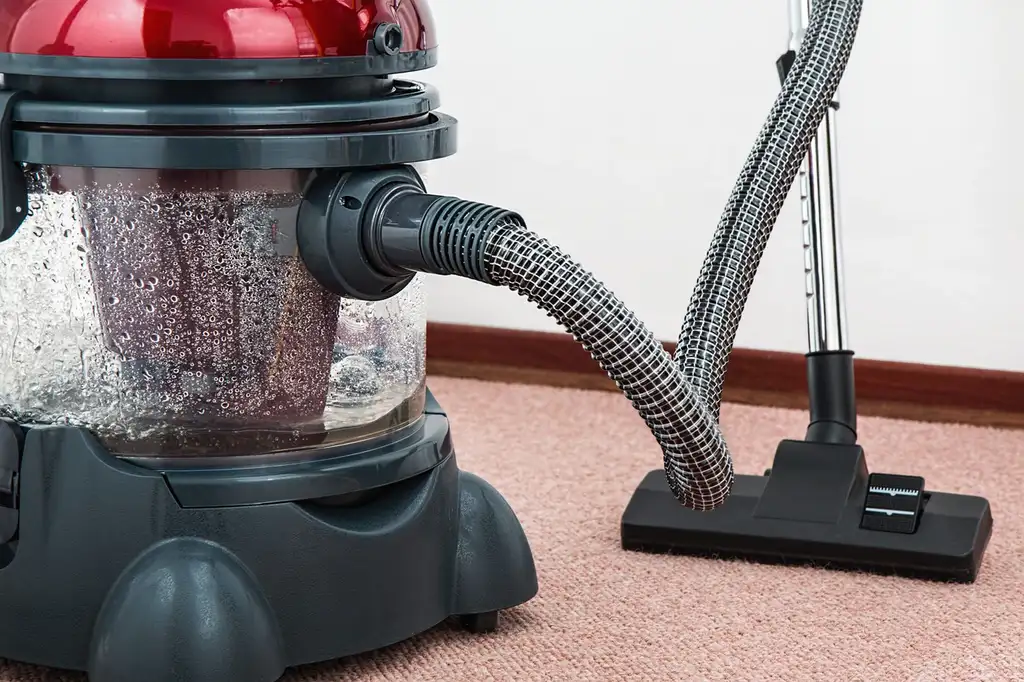
Most floor water extraction and restoration Pensacola jobs reach dry standard in three to five days with commercial air movers and dehumidifiers running around the clock. We check moisture readings twice daily and do not pull equipment until the subfloor and framing hit target levels.
Cupped or swollen hardwood is not automatically a tear-out. With controlled drying and mat drying systems, roughly 7 out of 10 water damaged hardwood floor repair Pensacola Florida jobs we assess can be sanded and refinished instead of replaced, saving thousands compared with new flooring.
We photograph every wet room, log moisture readings, and build an Xactimate scope your adjuster can process without back-and-forth. That shortens the gap between the leak and the check, which is the difference between a repaired floor and a floor that sits wet for two weeks.
Wet subfloor and carpet padding can grow mold in 24 to 48 hours in Pensacola humidity. We apply antimicrobial solution to affected framing and use air scrubbers with HEPA filtration during the dry-out, then verify with a borescope camera before closing anything back up.
Clear records you can keep and share.
Room-by-room plan with moisture readings.
Logged moisture and humidity numbers.
Photos and dry standard confirmation.
Wet flooring is not always ruined flooring. The material and how long it stayed wet decide whether it can be dried and saved.
Cupped hardwood often flattens as it dries. Sanding and refinishing can restore it if the boards are not delaminated.
Carpet padding holds water and grows mold. It is removed and replaced, but the carpet itself can often be dried.
If the subfloor is soft or moldy, it has to be replaced. A moisture meter tells us before we make that call.
Outside these areas? Call and ask if we can reach you. 8505550125
Most residential floor restoration jobs in Pensacola run $1,200 to $4,500 in 2026, depending on square footage, flooring type, and how long the water sat. A small bathroom with vinyl and wet subfloor sits near the low end; 800 square feet of hardwood with crawl space flooding pushes toward the top. Insurance often covers the dry-out and repair when the damage comes from a sudden leak or storm. We scope the job in Xactimate so you can see the breakdown before work starts.
Yes, most water damaged floors can be saved if drying starts within 24 to 48 hours. Hardwood that is cupped but not delaminated can often be dried, sanded, and refinished. Tile and vinyl usually survive if the subfloor is dried and stabilized. Carpet padding is almost always replaced, but the carpet itself can sometimes be dried. We use a moisture meter and borescope camera to check the subfloor before we recommend replacement, so you are not tearing out flooring that could have been saved.
Pensacola Water Damage Pros repairs water damaged floors across Escambia County, from extraction and structural drying through hardwood refinishing, subfloor replacement, and baseboard rebuild. We handle both the dry-out and the repair, so you are not coordinating a water mitigation company and a flooring contractor separately. Call 850-555-0125 and we will assess the floor, explain what can be saved, and schedule the work.
Most homeowners policies cover sudden and accidental water damage, such as a burst pipe, appliance leak, or water heater failure. Gradual leaks and flood water are usually excluded unless you carry separate flood coverage. We document moisture readings, photos, and a Xactimate scope, and we can talk directly with your adjuster. That paperwork is often what gets a claim approved without a fight. Call us before you throw anything away so the evidence stays intact.
Water sitting on your floor gets more expensive every hour. Call 850-555-0125 and we will schedule a same-day assessment, explain what can be saved, and start drying before mold has a chance to set in. We work directly with your insurance company.
Call 850-555-0125 any time, day or night, and describe what happened. We ask where the water is, whether the source is shut off, and how long it has been running. A crew gets dispatched with extraction and drying equipment, and most Pensacola calls get a team on site within two hours.