Written scope
Line items and quantities before work starts.
Water Extraction Pensacola FL is the work of pulling standing water out of your home and drying the structure before mold sets in. We handle water removal in Pensacola for burst pipes, water heater leaks, toilet overflows, and storm intrusion, with same-day crews and moisture readings you can see. Call 850-555-0125 and we roll.
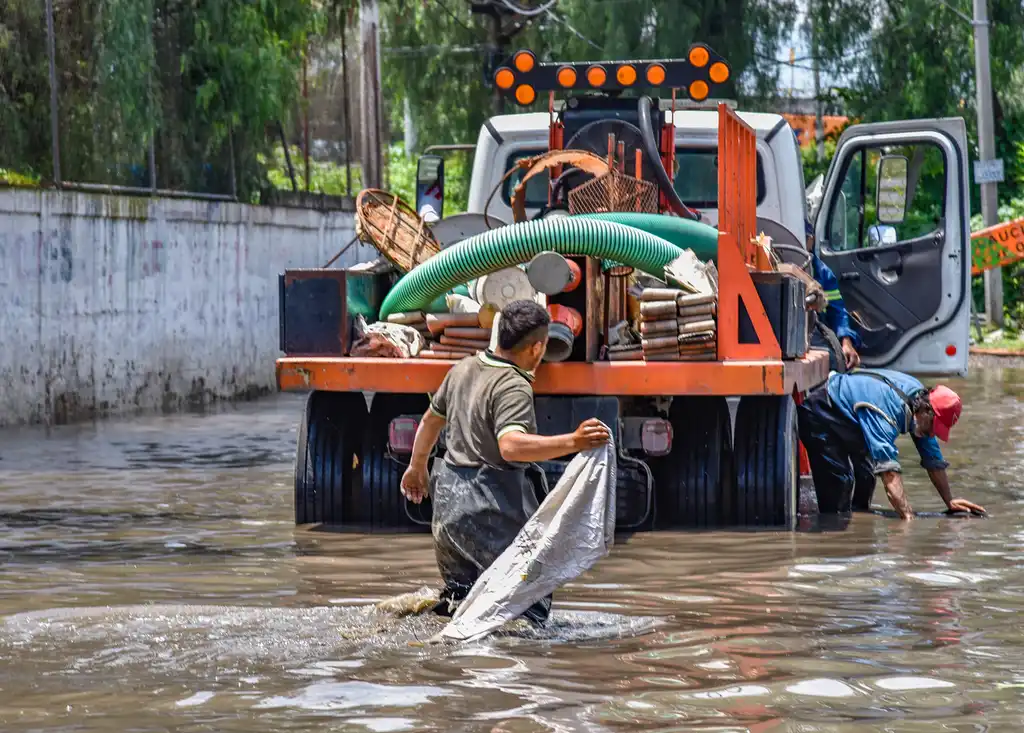
Every job includes source shutoff, moisture mapping, extraction, drying setup, and daily readings. What changes is the scope: a clean-water pipe leak is a different job than a sewage backup, and we tell you which one you have before we start.
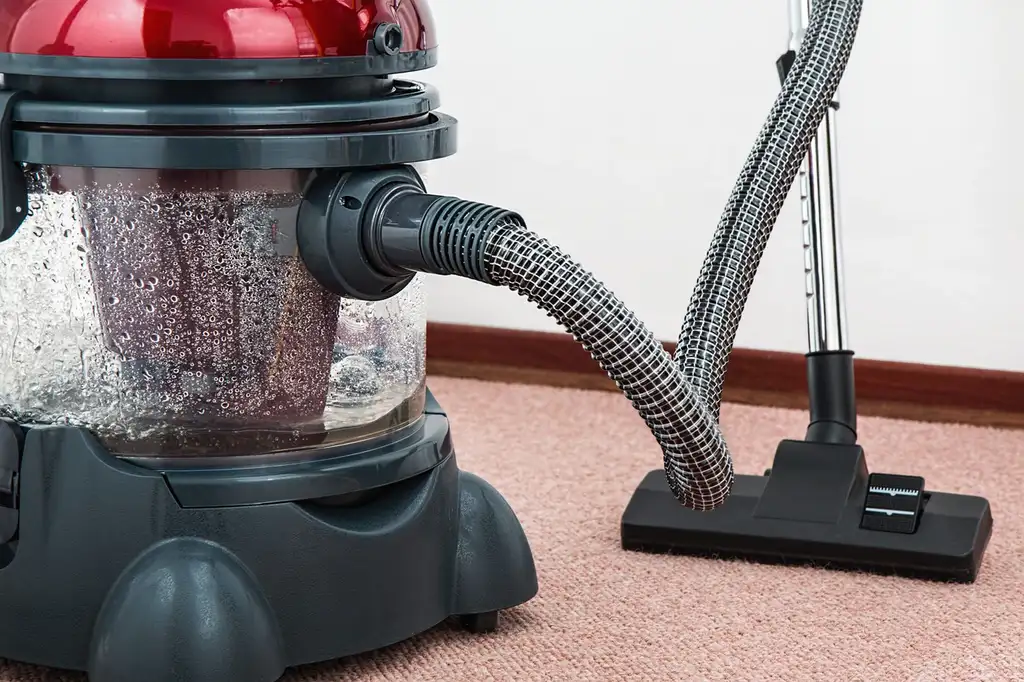
We pull standing water out of your home and dry the structure before mold gets a foothold. You get moisture readings you can see and a written record for your insurer.
We extract and dry commercial spaces after hours so you can open on time. Every job is documented in Xactimate for your carrier.
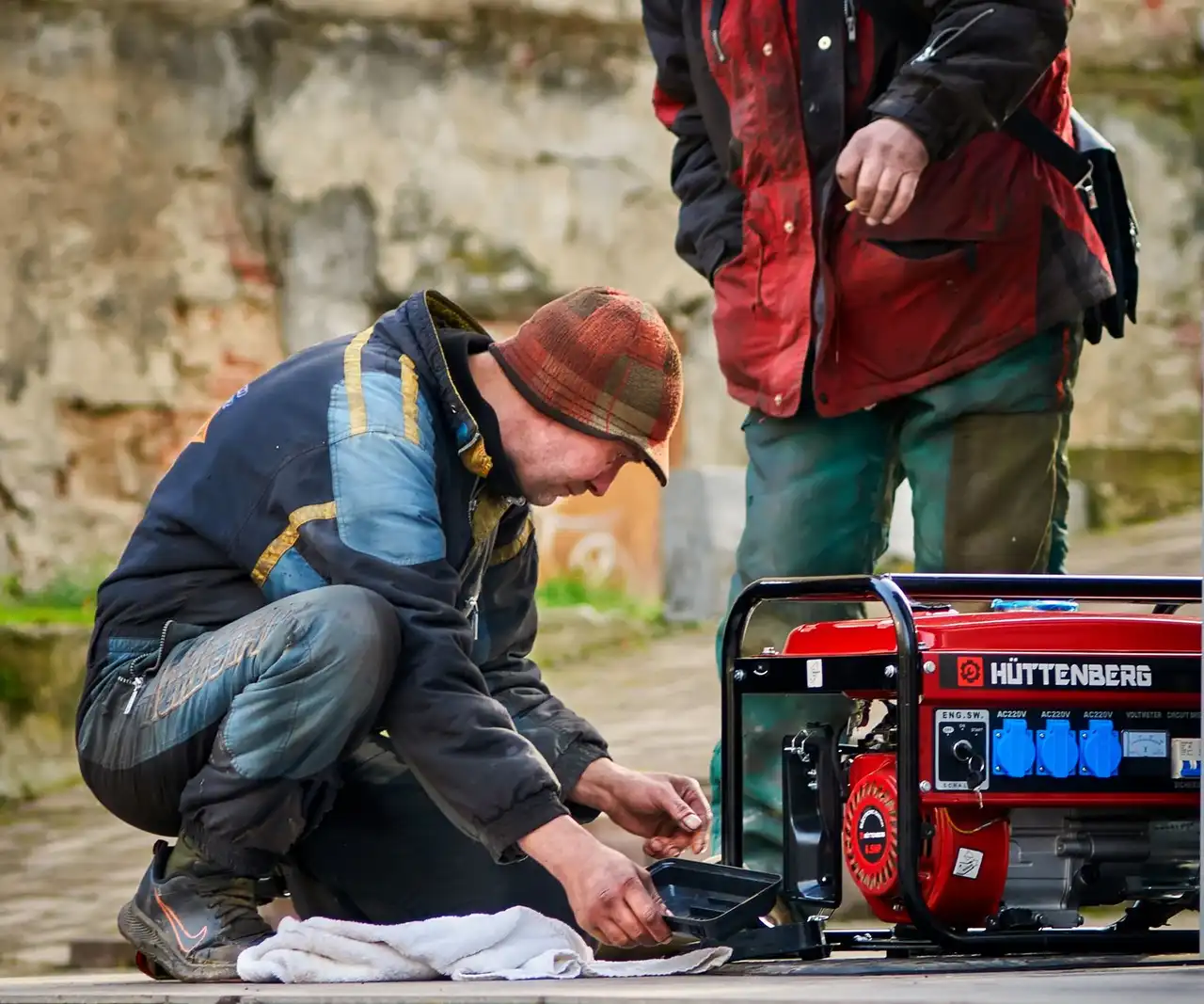
Water Extraction Pensacola FL is a measured process, not a shop vac and a fan. We start by shutting off the source, then map the moisture with a thermal imaging camera and moisture meter so we know where water traveled behind baseboards and under subfloor. Truck-mounted extraction units pull the bulk of the water out of carpet and padding, and from there we set air movers and dehumidifiers to dry the structure to IICRC WRT standards. Every reading gets logged.
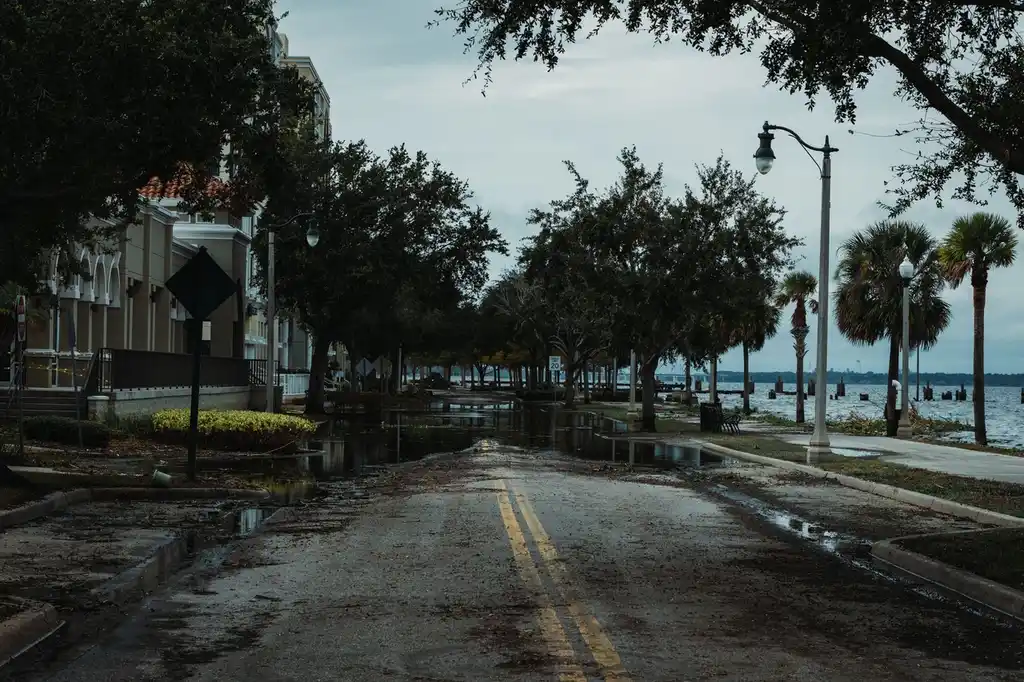
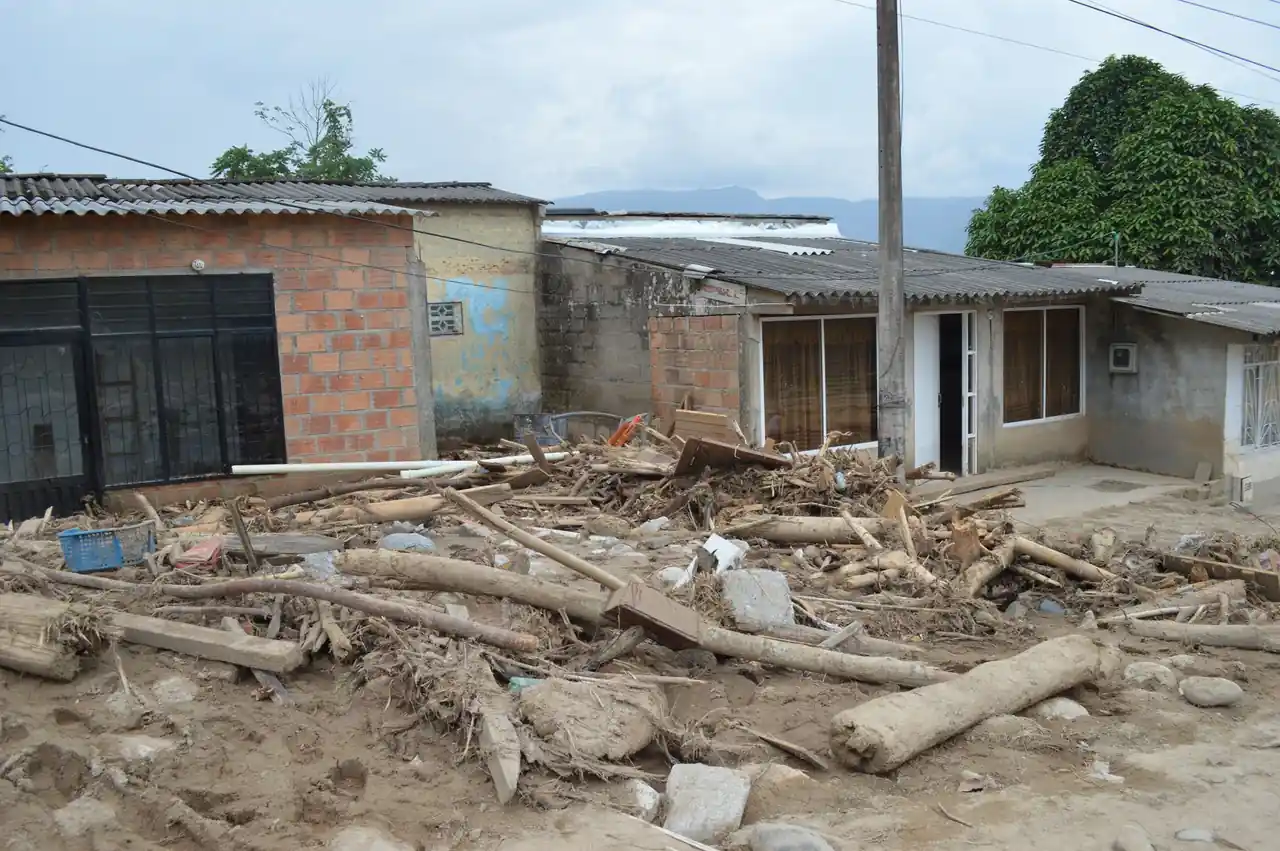
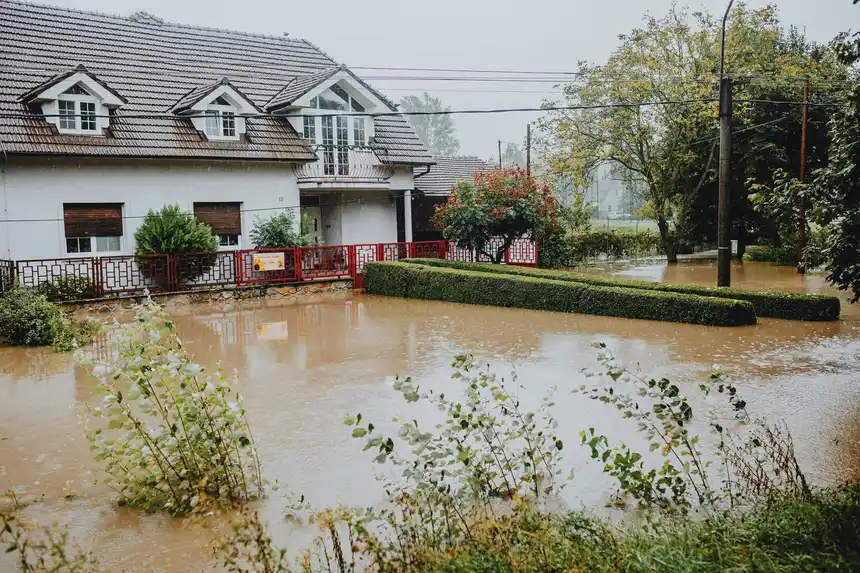
Pensacola homes get hit from every direction: a slab leak under a Cordova Park ranch, a burst pipe in an East Hill attic, a roof leak after a summer squall, or a sewage backup in a Downtown Pensacola rental. Gulf humidity slows drying, so we run desiccant dehumidifiers longer than a dry-climate crew would. If you are searching for water extraction Pensacola FL near me at 2 a.m., we answer and dispatch.
Extraction removes the water; drying removes the moisture that causes mold. Both get measured.
Five steps, from the first phone call to the final moisture reading. You will know what is happening at each stage and what it costs before we start.
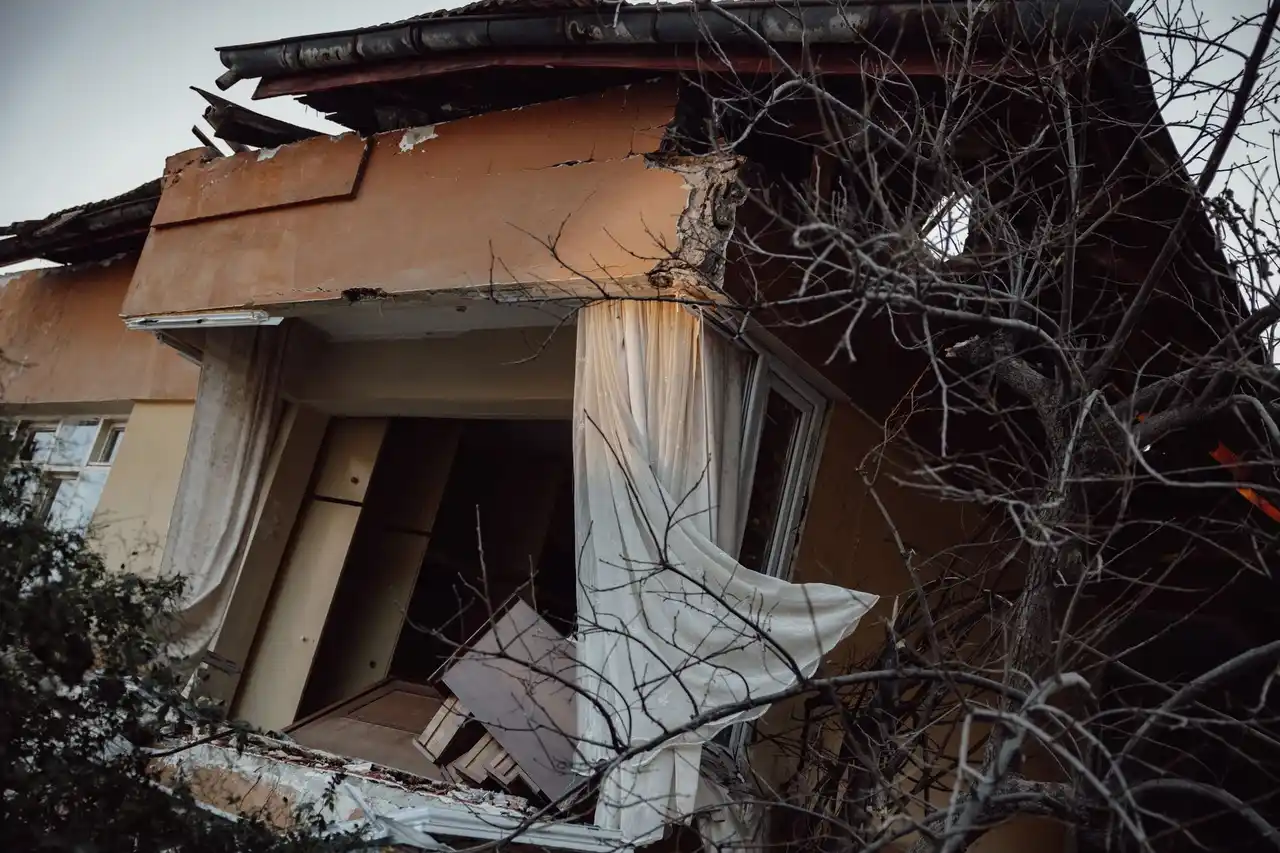
You call 850-555-0125, describe the water, and we ask the questions that matter: is it clean, gray, or sewage, and is the source shut off. We give you an arrival window and a few things to do while you wait, like moving furniture off wet carpet and killing power to affected outlets.
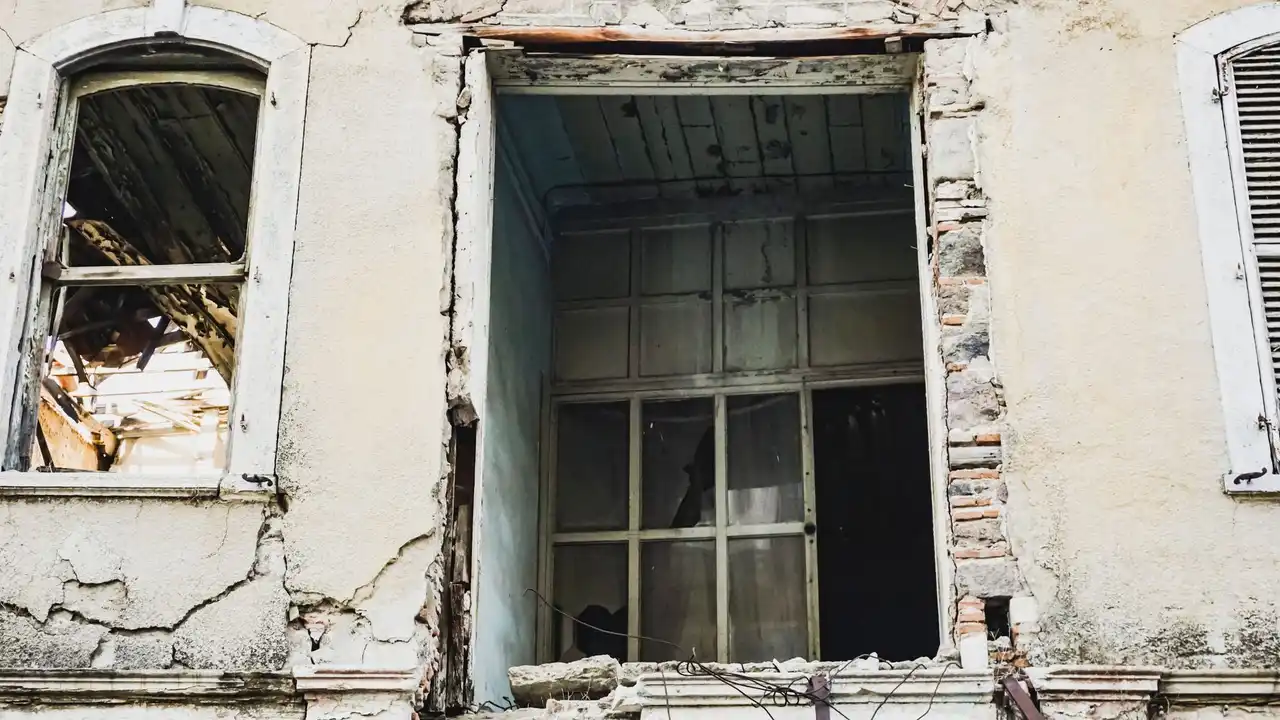
On arrival we shut off the source if it is still running, then walk the house with a moisture meter and thermal imaging camera. We find the hidden water behind baseboards, under the subfloor, and inside wall cavities, and we show you the readings. This usually takes 30 to 45 minutes.
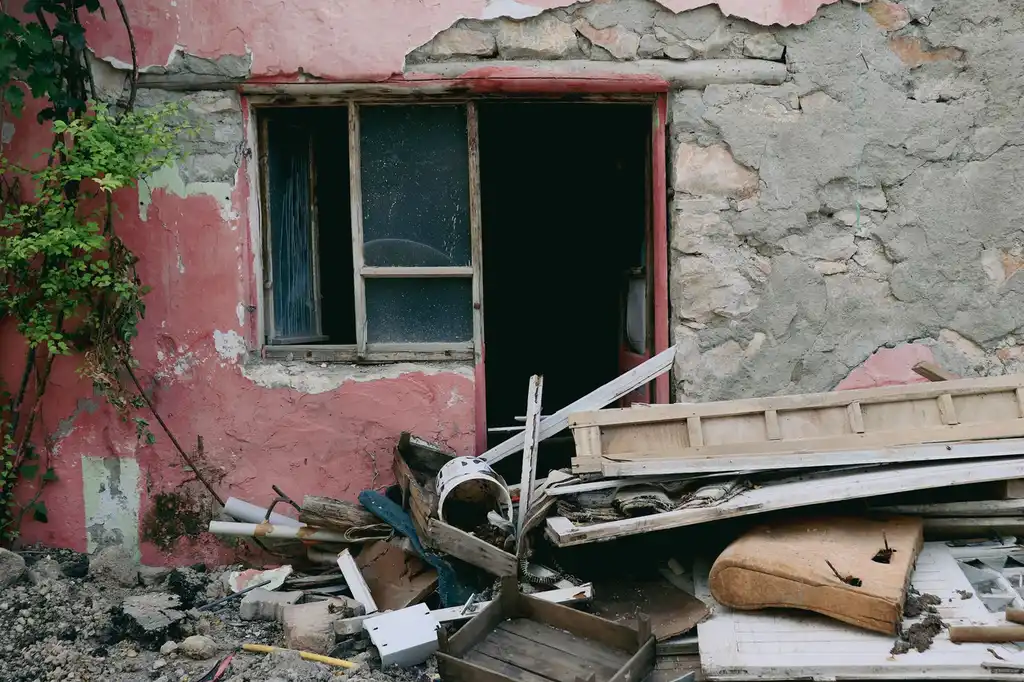
Truck-mounted water extraction units pull standing water from carpet, padding, and hard floors. A borescope camera lets us check inside wall cavities without cutting drywall first. Most residential extraction runs one to three hours depending on how much water is down.
We set air movers and dehumidifiers in a pattern that moves air across every wet surface, then check with a hygrometer. Drying typically runs three to five days. We come back daily, log readings, and adjust equipment until the structure is dry.
We do not pull equipment on a guess. Final moisture readings are compared to dry standards, photos are taken, and you get a written record for your insurer. If any material needs replacement, we tell you before we leave, not after.
Pulls standing water from carpet, padding, and hard floors faster and deeper than portable units, which shortens drying time.
Finds hidden moisture behind walls and under floors without cutting into finished surfaces.
Measures moisture content in materials and relative humidity in the air, so we know when the structure is actually dry.
Lets us look inside wall cavities to check for water and mold growth before deciding whether drywall needs to come out.
Move air across wet surfaces and pull moisture out of the air, which is how the structure dries after extraction.
Pumps standing water out of crawl spaces and low areas where a truck mount cannot reach.
Filters airborne particles and mold spores during drying and cleanup, which matters on Category 3 water jobs.
We follow the IICRC Water Restoration Technician standard for extraction and drying, which sets the moisture targets we dry to and the readings we log along the way.
We shut off the supply, extract the standing water, pull the baseboards to check the drywall, and set drying equipment. We check the subfloor with a moisture meter before the new unit goes in. The garage and hallway dry in three to four days, and you replace the water heater without tearing out flooring.
We trace the leak, extract water from the insulation and ceiling drywall, and dry the cavity. If the drywall is too far gone, we remove and replace it and finish with joint compound. The ceiling is dry and repaired, and the stain does not come back because the source was fixed, not painted over.
We extract, remove contaminated padding, treat with antimicrobial solution, and set air movers so the floor dries before the store opens. We document the scope for the commercial claim. The store reopens the same day, and the claim has photos and readings from the start.
Pensacola sits between the Gulf and the bays, and the humidity here changes how a water job runs. In summer, relative humidity can stay above 80% for days, so dehumidifiers have to run longer than they would in a dry climate. We plan for that and tell you upfront that a four-day dry might be a five-day dry in July. The building stock matters too. East Hill and North Hill have older homes with pier-and-beam framing and crawl spaces that flood after heavy rain, while Cordova Park and Scenic Heights have slab-on-grade ranches where a slab leak shows up as a warm spot on the floor. Seville Square Historic District homes often have original hardwood that needs careful drying to avoid cupping. We work across 32503, 32504, and 32502, and we know which neighborhoods flood first when a storm stalls over Escambia County. If you need water removal Cordova Park or anywhere nearby, we give you a real arrival window.
A supply line under a kitchen sink let go overnight and soaked 320 square feet of hardwood, subfloor, and the baseboards in two rooms. The homeowner found standing water at 7 a.m.
We extracted the standing water in under two hours, set air movers and dehumidifiers, and dried the structure in four days. Final moisture readings matched dry standards, and the hardwood was saved without replacement.
Check supply lines under sinks and behind the washing machine every six months, and replace braided lines every five years.
A toilet overflow pushed Category 3 water into 180 square feet of carpet and padding in a rental unit. The padding was saturated and the baseboards were wicking water.
We removed the contaminated padding, treated the floor with antimicrobial solution, extracted, and dried the structure in three days. The unit passed a moisture check and was ready for the next tenant.
Have the main line snaked annually in older buildings, and tell tenants to report slow drains before they become backups.
Heavy rain left six inches of standing water in a crawl space under a pier-and-beam home. The joists were wet and mold growth was starting on the subfloor above.
We pumped out the standing water with a sump pump, treated the framing with antimicrobial solution, and dried the crawl space in five days. Final readings showed the joists back to dry standards.
Check the crawl space after every heavy rain and keep gutters and downspouts clear so water drains away from the foundation.
Most water damage calls fall into a handful of patterns. Here are the ones we see most in Pensacola, and what happens if you wait.
We locate the leak with thermal imaging, extract the water, dry the slab and surrounding materials, and check with a moisture meter before the floor goes back down. Water wicks up through the slab and into baseboards and drywall, and the leak can run for weeks before you see a stain. By then, mold growth has a head start.
We shut off the water, use a borescope camera to check the cavity without unnecessary demolition, extract, and dry the framing to IICRC WRT standards. A burst supply line can dump hundreds of gallons into a wall before you notice. Insulation stays wet, drywall crumbles, and mold can start in 24 to 48 hours.
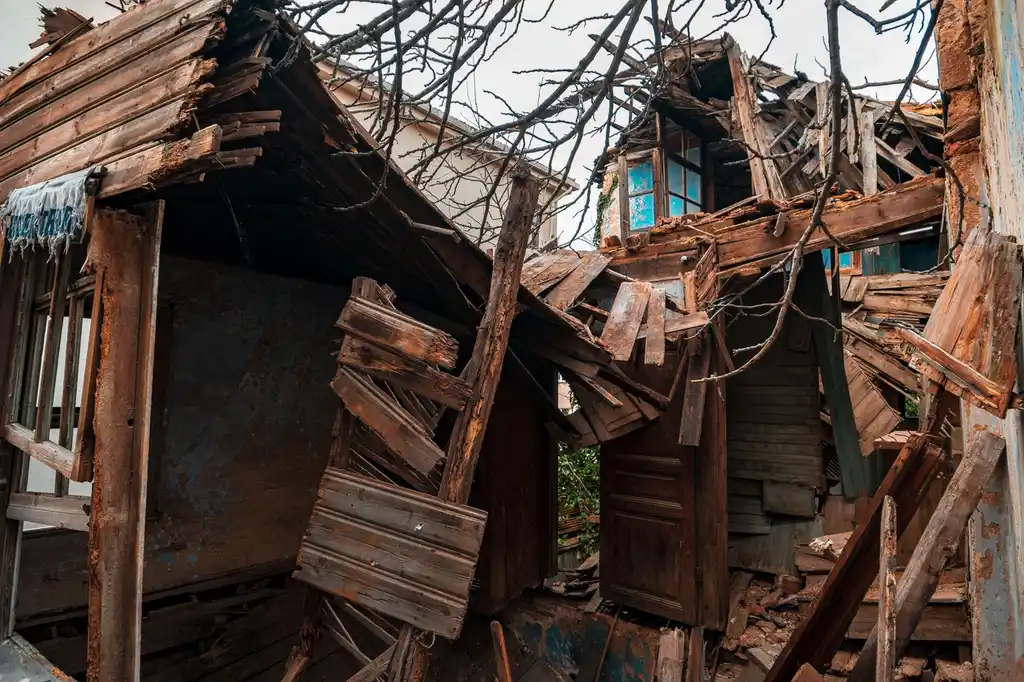
We remove contaminated materials, treat with antimicrobial solution, extract, and dry the structure, then document the scope in Xactimate for the property owner's claim. Category 3 water contaminates carpet, padding, and baseboards, and it is a health risk for tenants. Extraction alone does not make the unit safe to occupy.
We pump out standing water with a sump pump, dry the framing with air movers and dehumidifiers, and check with a moisture meter before closing the crawl space back up. Standing water under the house rots joists, feeds mold growth, and can wick up into the subfloor above. It does not dry on its own in Gulf humidity.
We extract and dry within the first 24 to 48 hours, the window before mold growth takes hold. On a typical 400-square-foot wet area, our crews pull standing water in under two hours and start drying the same visit, which cuts the odds of a tear-out later.
We photograph every affected room, log moisture readings, and build the scope in Xactimate so your adjuster sees the same numbers we do. That paperwork is what moves a claim from 'pending' to 'approved' without three rounds of back-and-forth.
Extraction is half the job. We set air movers and dehumidifiers, check the hygrometer daily, and do not pull equipment until the drywall, subfloor, and baseboards read dry. That is how water removal in Pensacola FL actually prevents a callback.
We run crews across Escambia County, so a call from Scenic Heights or Westside Garden District gets a real arrival window, not a call center promise. Same-day water removal in Pensacola, Florida is the standard, not the upsell.
Clear records you can keep and share.
Line items and quantities before work starts.
Moisture logs and photos for your claim.
Dry standards confirmed before equipment is pulled.
Extraction pulls the standing water out. Drying removes the moisture left in materials. Skipping the drying step is how a small leak turns into a mold job.
Truck-mounted units pull bulk water from carpet, padding, and hard floors. This is the fast part of the job.
Air movers and dehumidifiers remove moisture from drywall, subfloor, and framing. This takes days, not hours.
Moisture meter readings confirm the structure is dry. We do not pull equipment on a guess.
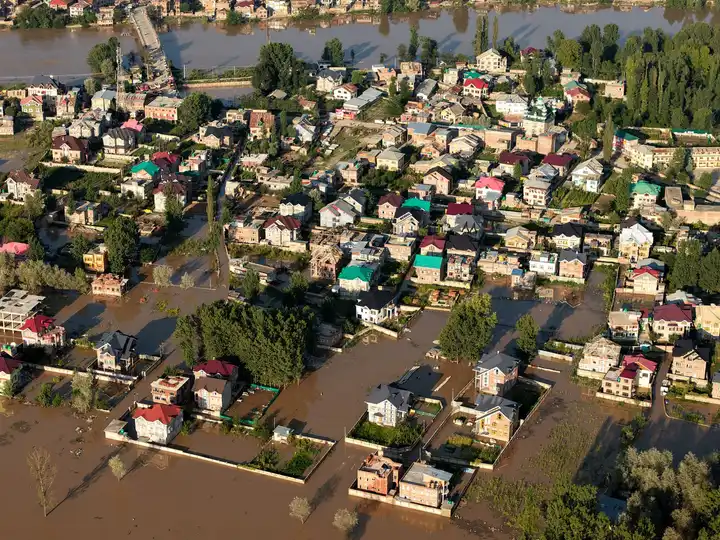
Outside these areas? Call and ask if we can reach you. 8505550125
Most residential water extraction jobs in Pensacola run $350 to $900 for extraction alone, and $1,200 to $3,800 when drying equipment is included. Square footage, water category, and how long the water sat are the big drivers. Sewage backups cost more because they require antimicrobial treatment and often material removal. We quote the scope before we start.
Extraction itself usually takes one to three hours on a typical residential job. Drying the structure takes three to five days, sometimes longer in humid months when Gulf moisture slows evaporation. We check readings daily and do not pull equipment until the drywall, subfloor, and baseboards read dry.
We do. Call 850-555-0125 and we dispatch a crew with extraction units, air movers, and dehumidifiers. We handle burst pipes, water heater leaks, toilet overflows, and storm intrusion across Escambia County. If the source is still running, we shut it off first, then start extraction.
Yes, if it happens fast. Mold can start growing on wet drywall in 24 to 48 hours, so extraction and drying within that window is the difference between a dry-out and a tear-out. We use air scrubbers and antimicrobial solution where needed, and we verify dryness with a moisture meter before we call the job done.
Standing water gets worse every hour. Call 850-555-0125 and we dispatch a crew with extraction units, air movers, and dehumidifiers. We quote the scope before we start, and we document everything for your carrier.
Call 850-555-0125 any time, day or night, and describe what happened. We ask where the water is, whether the source is shut off, and how long it has been running. A crew gets dispatched with extraction and drying equipment, and most Pensacola calls get a team on site within two hours.